


- Startpagina
- Omvormer
- Brazilian Real (BRL) naar THORChain (RUNE)

Converteer
Brazilian Real (BRL) naar THORChain (RUNE) direct


Koop THORChain (RUNE) met Brazilian Real (BRL) gemakkelijk bij Switchere en profiteer van snelle, veilige transacties.
Over
THORChain (RUNE)
THORChain (RUNE) is een gedecentraliseerd liquiditeitsprotocol dat is gebouwd om cross-chain swaps van native digitale activa op een permissionless, non-custodiale manier te faciliteren. Het functioneert als een onafhankelijke Layer-1 blockchain die gebruikmaakt van de Cosmos SDK en het Tendermint-consensusmechanisme, en stelt gebruikers in staat om cryptocurrencies zoals native Bitcoin te ruilen voor native Ethereum zonder afhankelijk te zijn van 'wrapped' tokens of gecentraliseerde tussenpersonen. Dit is een cruciaal onderdeel van de Web3-infrastructuur, ontworpen om het probleem van gefragmenteerde liquiditeit over verschillende blockchain-ecosystemen op te lossen. De architectuur van het netwerk is gecentreerd rond Continuous Liquidity Pools (CLP's), waar liquiditeitsverschaffers activa storten naast de native utility-token, RUNE.
De RUNE-token is integraal voor de tokenomics en de beveiliging van het protocol. Het vervult vier belangrijke functies: het fungeert als het basis-paring-actief in alle liquiditeitspools, het levert de economische borg voor node-operators om de netwerkbeveiliging te garanderen (een vorm van Sybil-resistentie), het functioneert als de afwikkelingsvaluta voor alle swaps, en het wordt gebruikt voor on-chain governance. Dit ontwerp creëert een deterministische waarde voor RUNE op basis van de totale liquiditeit die in het netwerk is vastgezet. Door ketens te verbinden via zijn Bifrost Protocol, staat THORChain als een fundamentele pijler voor naadloze interoperabiliteit en de afwikkeling van native activa binnen het bredere landschap van DeFi-applicaties.

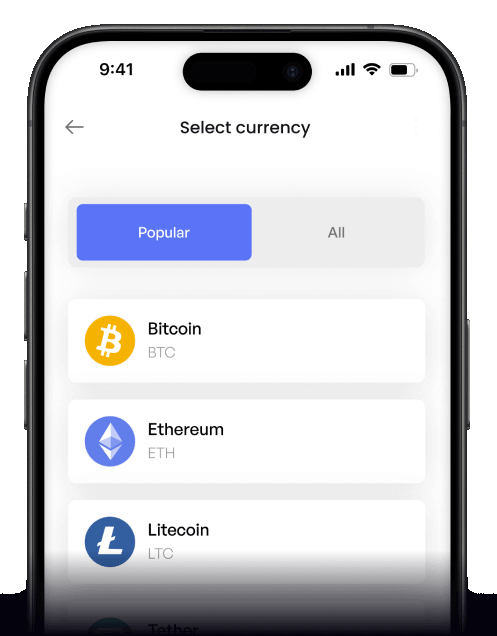
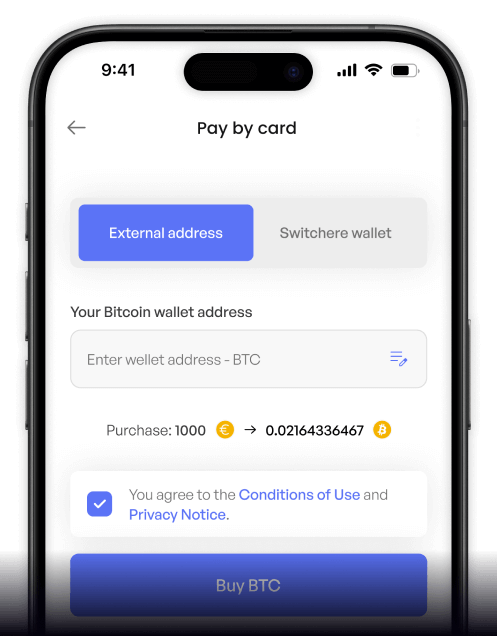
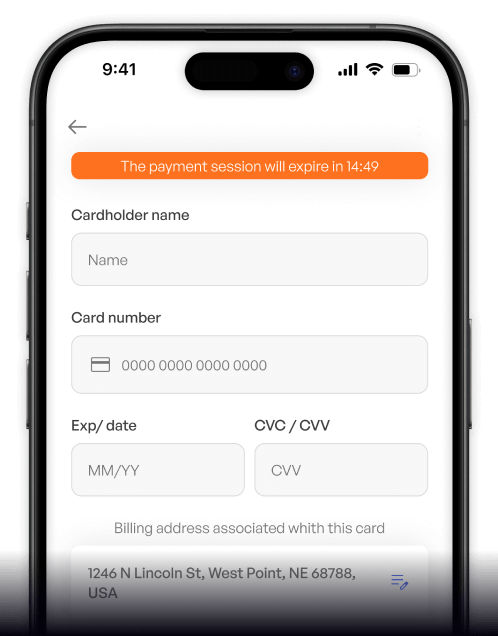
Hoe THORChain (RUNE) kopen
 Stapsgewijze begeleiding
 Eenvoudige creditcardbetalingen
 Gestroomlijnd aankoopproces
 Web
Web
Populaire munten voor Brazilian Real (BRL)




Andere munten voor Brazilian Real (BRL)








Veelgestelde vragen
-
Wat is het BRL/RUNE-paar en waarom is het belangrijk voor DeFi-gebruikers in Brazilië?
Het BRL/RUNE-paar vertegenwoordigt een directe fiat on-ramp waarmee gebruikers THORChain's native asset, RUNE, kunnen kopen met Braziliaanse Reals. Het belang ervan ligt in het bieden van directe toegang tot het cross-chain liquiditeitsprotocol van THORChain, waardoor Braziliaanse gebruikers kunnen deelnemen aan native asset swaps en liquiditeit kunnen verschaffen zonder eerst een grote cryptocurrency zoals Bitcoin of Ethereum te hoeven verwerven, wat de toegang tot het gedecentraliseerde financiële (DeFi) ecosysteem stroomlijnt. -
Wat zijn de gebruikelijke betaalmethoden voor het kopen van RUNE met BRL op een cryptocurrency-exchange?
De meest gangbare betaalmethoden voor het storten van Braziliaanse Reals (BRL) op exchanges om RUNE te kopen zijn Pix en bankoverschrijvingen (TED). Pix is zeer populair vanwege de onmiddellijke verwerking en doorgaans lage of geen kosten, waardoor het de favoriete fiat on-ramp is voor veel handelaren. Na het storten van BRL kunt u een transactie uitvoeren in het RUNE/BRL-orderboek, een proces dat KYC/AML-naleving vereist op gereguleerde platforms. -
Wat zijn de voordelen van het gebruik van RUNE nadat je het met BRL hebt verkregen?
Zodra u RUNE bezit, kunt u volledig communiceren met het THORChain-protocol. Belangrijke voordelen zijn onder meer: het uitvoeren van gedecentraliseerde, cross-chain swaps van native assets (bijv. het swappen van native BTC voor native ETH), het verstrekken van liquiditeit aan Continuous Liquidity Pools (CLP's) om vergoedingen te verdienen, en het binden van RUNE om het netwerk te helpen beveiligen door een THORNode te draaien. Het is de centrale utility- en beveiligingstoken van een groot DeFi-interoperabiliteitsproject. -
Wat voor soort digitale portemonnee is nodig om RUNE na aankoop veilig op te slaan?
Om RUNE veilig op te slaan en te communiceren met het THORChain-protocol, is een self-custody wallet nodig die native RUNE ondersteunt. Hoewel exchanges verschillende versies aanbieden (zoals ERC-20 of BEP2), heb je voor echte bruikbaarheid binnen het ecosysteem een wallet nodig die compatibel is met de THORChain-blockchain. Voorbeelden zijn Trust Wallet, XDEFI Wallet of hardware wallets zoals Ledger voor maximale beveiliging. Haal uw digitale activa altijd van de exchange naar een wallet waar u de privésleutels beheert. -
Zijn er risico's zoals impermanent loss bij het gebruik van RUNE die met BRL is verkregen in liquiditeitspools?
Ja. Wanneer u liquiditeit verschaft aan een THORChain-pool door uw RUNE te koppelen aan een ander digitaal activum, bent u blootgesteld aan impermanent loss. Dit treedt op wanneer de prijsverhouding van de twee activa in de pool aanzienlijk verandert in vergelijking met het afzonderlijk aanhouden ervan. Hoewel THORChain mechanismen heeft zoals op slip gebaseerde vergoedingen en bescherming tegen impermanent loss (onder bepaalde voorwaarden) om dit te beperken, blijft het een fundamenteel risico van het verschaffen van liquiditeit in elke op een geautomatiseerde market maker (AMM) gebaseerde DEX.

Onderweg kopen
Overal. Altijd.
Koop overal crypto met je creditcard. Actuele koersen, transparante kosten en 3D Secure bij elke bestelling – de volledige Switchere-ervaring voor het kopen met een creditcard, altijd bij de hand.



Scan de QR-code om de app te downloaden voor iOS en Android

