


- Casa
- Convertitore
- Brazilian Real (BRL) per LUNA Terra 2.0 (LUNA)

Convertire
Brazilian Real (BRL) in LUNA Terra 2.0 (LUNA) istantaneamente


Acquistate facilmente LUNA Terra 2.0 (LUNA) con Brazilian Real (BRL) su Switchere e beneficiate di transazioni rapide e sicure.
Circa
LUNA Terra 2.0 (LUNA)
Terra 2.0 (LUNA) rappresenta una nuova blockchain pubblica lanciata come iniziativa guidata dalla comunità per far rivivere il vibrante ecosistema Terra a seguito del de-pegging della sua stablecoin algoritmica originale, UST. Questo nuovo registro digitale opera indipendentemente dalla catena originale, ora nota come Terra Classic (LUNC), e, aspetto cruciale, non include una stablecoin algoritmica nel suo design. L'obiettivo primario è preservare la preziosa comunità di sviluppatori e l'ampia gamma di applicazioni decentralizzate (dApp) che sono state costruite sulla rete Terra originale, fornendo loro una nuova base per la crescita e l'innovazione all'interno dell'infrastruttura Web3.
Costruita utilizzando il Cosmos SDK e protetta dal meccanismo di consenso proof-of-stake di Tendermint, la blockchain di Terra 2.0 dà priorità alle prestazioni e all'interoperabilità. L'asset digitale nativo, LUNA, è centrale per il funzionamento della rete. Le sue funzioni principali sono quelle di utility token per le commissioni di transazione e di staking token, dove validatori e deleganti bloccano LUNA per proteggere la rete decentralizzata e guadagnare ricompense. Inoltre, LUNA funge da token di governance, dando ai detentori il potere di votare su proposte chiave di governance on-chain che dirigono lo sviluppo futuro e la gestione della tesoreria dell'ecosistema, con l'obiettivo di ricostruire un hub robusto per le applicazioni DeFi.

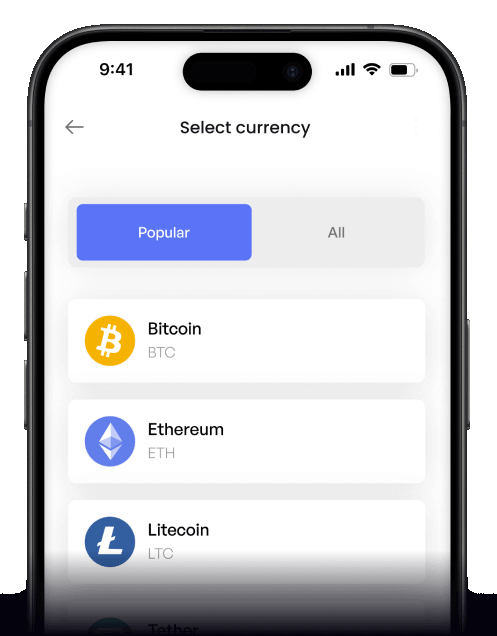
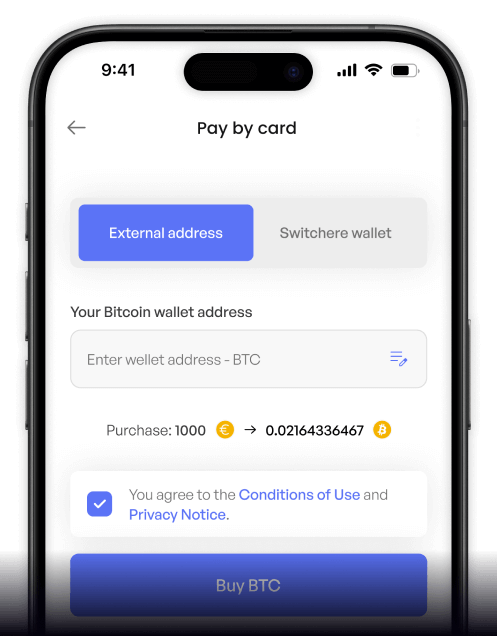
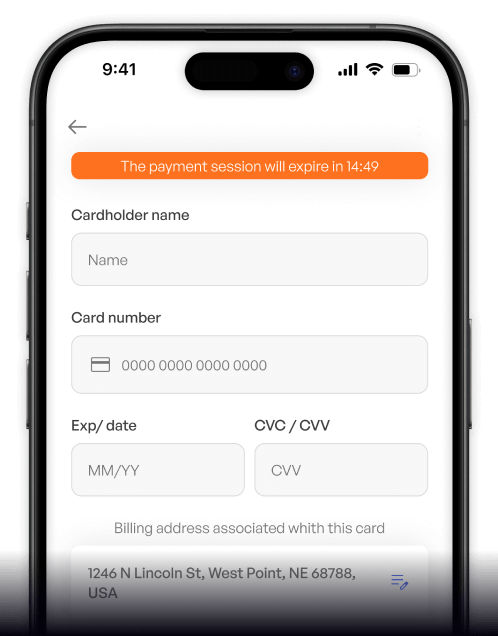
Come acquistare gli LUNA Terra 2.0 (LUNA)
 Guida passo passo
 Pagamenti facili con carta di credito
 Processo di acquisto semplificato
 Web
Web
Monete popolari per Brazilian Real (BRL)





Altre monete per Brazilian Real (BRL)








Domande frequenti
-
Qual è il modo più comune per acquistare Terra 2.0 (LUNA) con il real brasiliano (BRL)?
Il metodo più comune è attraverso un exchange di criptovalute centralizzato che offre il BRL como fiat on-ramp. Gli utenti completano tipicamente una verifica KYC/AML, depositano real brasiliani utilizzando sistemi di pagamento veloci come PIX o bonifici bancari tradizionali (TED), e poi eseguono un'operazione sul libro ordini LUNA/BRL. L'uso di PIX è spesso preferito per la sua velocità di transazione quasi istantanea e i bassi costi, fornendo un accesso diretto all'ecosistema Terra 2.0. -
Qual è la funzione del token LUNA all'interno della rete Terra 2.0?
Nell'ecosistema Terra 2.0, che funziona sulla nuova catena 'Phoenix-1', il token LUNA svolge principalmente due funzioni: governance e staking. I detentori di LUNA possono mettere in staking i loro token con i validatori per contribuire a proteggere la rete e, in cambio, guadagnare ricompense di staking. Inoltre, lo staking di LUNA conferisce ai detentori il potere di voto per partecipare alla governance on-chain, consentendo loro di influenzare la direzione futura del protocollo e delle sue dApp. Non è più utilizzato per stabilizzare algoritmicamente una stablecoin. -
Dopo aver acquistato LUNA con BRL, qual è il modo migliore per conservarlo in modo sicuro?
Per una sicurezza ottimale, è vivamente consigliato spostare i tuoi LUNA dall'exchange di criptovalute a un portafoglio digitale non-custodial dove controlli le chiavi private. Il portafoglio ufficiale per l'ecosistema Terra 2.0 è Terra Station. Trasferendo i tuoi LUNA a un portafoglio Terra Station, ottieni il pieno controllo sui tuoi asset digitali. Assicurati sempre di eseguire un backup sicuro della tua frase seed e non condividerla mai con nessuno. Per un livello di sicurezza ancora più elevato, considera l'utilizzo di un portafoglio hardware compatibile con Terra Station. -
Ci sono normative brasiliane specifiche da considerare quando si fa trading sulla coppia LUNA/BRL?
Sì, quando si fa trading su qualsiasi coppia di asset digitali con il real brasiliano, è necessario utilizzare un exchange conforme alle normative locali. Ciò include l'adesione alle politiche KYC (Know Your Customer) e AML (Anti-Money Laundering) imposte dalle autorità brasiliane. Inoltre, l'Agenzia delle Entrate Federale brasiliana (Receita Federal) richiede ai residenti di dichiarare i loro possedimenti e le loro transazioni in criptovalute. Assicurati che la piattaforma di trading scelta sia conforme alle linee guida della CVM (Commissione per i valori mobiliari e gli scambi del Brasile) ove applicabile per garantire un'esperienza di trading sicura e legale. -
Quali sono le commissioni tipiche quando si converte BRL in LUNA?
Generalmente ci sono tre tipi di commissioni da considerare. Primo, una commissione di deposito per i tuoi BRL, che è spesso zero se si utilizza PIX ma può variare con altri metodi come TED. Secondo, la commissione di trading sull'exchange, che è una piccola percentuale del valore della transazione e differisce per i 'maker' (che aggiungono liquidità) e i 'taker' (che la rimuovono). Terzo, se sposti i tuoi LUNA su un portafoglio esterno come Terra Station, pagherai una commissione di transazione di rete, che è una piccola quantità di LUNA utilizzata per elaborare il trasferimento on-chain sulla blockchain Phoenix-1.

Acquista ovunque ti trovi
Ovunque. In qualsiasi momento.
Acquista criptovalute con la tua carta di credito ovunque ti trovi. Tassi in tempo reale, commissioni trasparenti e 3D Secure su ogni ordine: tutta l'esperienza di acquisto con carta di Switchere a portata di mano.



Scansiona il codice per scaricare l'app per iOS e Android

