


전환하다
Brazilian Real (BRL)에서 TUSD (TRC20)로 즉시


Switchere에서 TUSD (TRC20)로 Brazilian Real (BRL)를 간편하게 구매하고 빠르고 안전한 거래의 혜택을 누리세요.
정보
TUSD (TRC20)
TrueUSD(TUSD)는 미국 달러와 검증 가능한 1:1 페그를 유지하도록 설계된 저명한 법정화폐 담보 스테이블코인입니다. 주요 목표는 투명하고 신뢰할 수 있는 디지털 자산으로 기능하여 전통적인 법정화폐와 탈중앙화 금융 생태계 간의 격차를 해소하는 것입니다. TUSD(TRC20) 변형은 트론 블록체인에서 네이티브로 작동하는 특정 토큰 표준입니다. 이는 트론 네트워크의 높은 처리량과 낮은 거래 수수료를 활용하여 사용자에게 P2P 결제 및 온체인 활동을 위한 매우 효율적이고 비용 효과적인 수단을 제공합니다. 달러의 안정성과 현대적인 블록체인 기술 인프라의 성능을 결합한 것입니다.
TUSD의 핵심 차별점은 신뢰와 투명성을 위한 견고한 프레임워크입니다. 이 스테이블코인은 독립적으로 감사받는 금융 기관에 보관된 미국 달러 예치금으로 완전히 뒷받침됩니다. 회계 법인과의 파트너십을 통해 예치금에 대한 거의 실시간에 가까운 온체인 증명을 제공하여 담보화에 대한 암호학적 증거를 제시합니다. 트론 생태계 내에서 TUSD 토큰의 주요 유틸리티는 안정적인 교환 매체, 탈중앙화 금융 애플리케이션의 회계 단위 및 시장 변동성에 대한 헤지 수단으로 기능하는 것입니다. TRC20 자산으로서 유동성 풀, 대출 프로토콜 및 기타 Web3 애플리케이션에 필수적이며, 기본적인 안정 가치 자산으로서의 역할을 공고히 합니다.

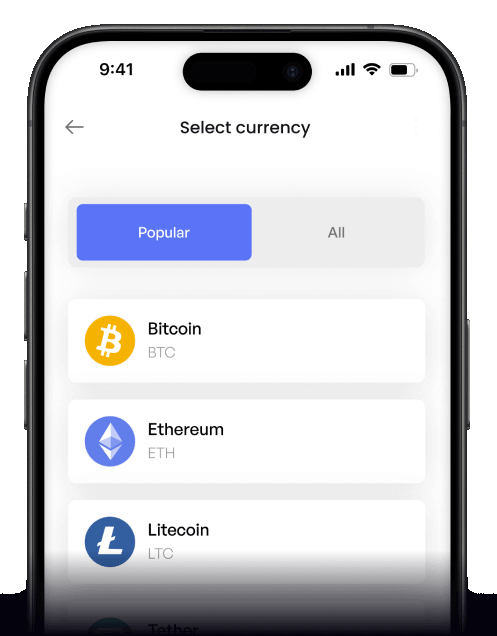
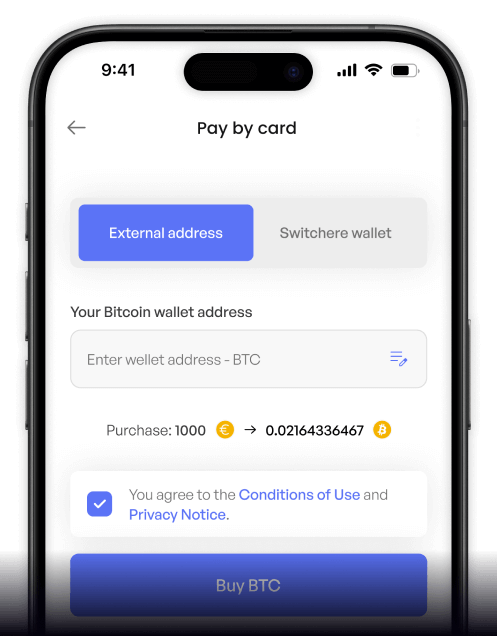
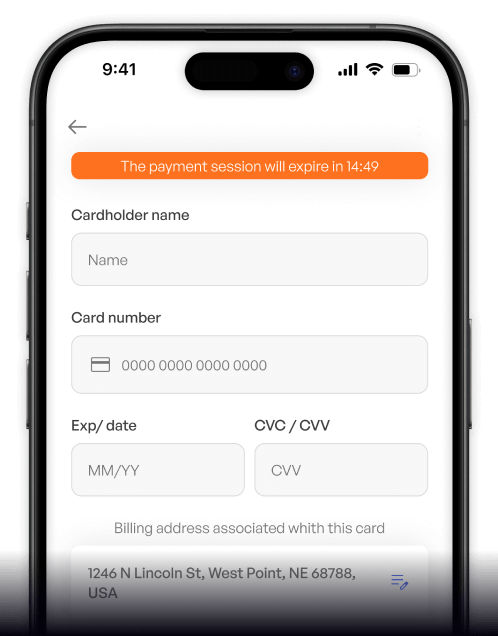
TUSD (TRC20) 구매 방법
 단계별 안내
 간편한 신용카드 결제
 간소화된 구매 프로세스
 Web
Web
Brazilian Real (BRL)에 대한 인기 있는 동전




Brazilian Real (BRL)의 다른 코인








자주 묻는 질문
-
BRL/TUSD (TRC20) 트레이딩 페어란 정확히 무엇인가요?
BRL/TUSD (TRC20) 페어는 사용자가 브라질 헤알(BRL)을 미국 달러에 1:1로 고정된 스테이블코인인 트루USD(TUSD)로 교환할 수 있는 직접적인 법정화폐 온램프를 나타냅니다. 특히 이 페어는 낮은 거래 수수료와 빠른 정산 시간으로 알려진 트론 블록체인에서 운영되는 TUSD의 TRC20 버전을 포함합니다. 이는 브라질 사용자가 달러 담보 디지털 자산을 획득할 수 있는 직접적인 경로를 제공합니다. -
BRL로 TUSD(TRC20)를 구매하는 가장 일반적인 결제 방법은 무엇인가요?
BRL을 사용하여 암호화폐 거래소에서 TUSD를 구매하는 경우, 브라질에서 가장 널리 사용되는 방법은 Pix와 은행 송금(TED)입니다. Pix는 즉각적이고 연중무휴 24시간 이용 가능하며 일반적으로 비용이 저렴하여 종종 선호됩니다. 브라질의 대부분 규제된 거래소는 KYC/AML 준수를 요구하므로, BRL을 입금하고 BRL/TUSD 오더북에 주문을 하기 전에 신원을 확인해야 합니다. -
BRL에서 시작되는 TUSD 거래에 TRC20 표준을 사용하면 어떤 이점이 있나요?
TUSD에 대해 트론 블록체인의 TRC20 표준을 사용하면 상당한 이점을 얻을 수 있습니다. 주요 장점은 높은 처리량과 최소한의 네트워크 수수료이며, 이는 이더리움과 같은 다른 네트워크에서 지불할 수 있는 금액의 일부에 불과한 경우가 많습니다. 이로 인해 초기 BRL에서 TUSD로 전환한 후 스테이블코인을 개인 디지털 지갑으로 보내거나 트론 기반 DeFi 애플리케이션에서 사용하는 데 매우 효율적입니다. -
TUSD는 어떻게 미국 달러와 1:1 페그를 유지하며, 이것이 BRL 트레이더에게 왜 중요한가요?
트루USD(TUSD)는 완전한 담보화를 통해 페그를 유지합니다. 즉, 각 TUSD 토큰은 예치금으로 보관된 1 미국 달러에 의해 뒷받침됩니다. 이는 정기적이고 독립적인 증명을 통해 확인됩니다. 브라질 헤알(BRL)에서 전환하는 트레이더에게 이는 다른 암호화 자산과 현지 통화의 변동성에서 벗어날 수 있는 신뢰할 수 있는 방법을 제공하며, 트론 블록체인에서 빠르고 저렴하게 거래할 수 있는 미국 달러의 디지털 등가물을 효과적으로 보유하게 됩니다. -
BRL/TUSD (TRC20) 거래의 일반적인 수수료와 보안 관행은 무엇인가요?
수수료에는 일반적으로 암호화폐 거래소의 거래 수수료(종종 거래 가치의 작은 비율), BRL 입금 수수료(Pix는 종종 무료), TUSD(TRC20)를 외부 지갑으로 옮기기 위한 네트워크 인출 수수료가 포함됩니다. 보안을 위해 항상 평판이 좋은 거래소를 사용하고, 2단계 인증(2FA)을 활성화하고, 인출 전에 TRC20 지갑 주소를 다시 확인하십시오. 개인 키를 제어하는 비수탁형 디지털 지갑에 많은 양을 보관하는 것이 권장되는 관행입니다.

언제 어디서나 구매하세요
어디서나. 언제든지.
어디서든 신용카드로 암호화폐를 구매하세요. 실시간 환율, 투명한 수수료, 모든 주문에 적용되는 3D Secure까지 – Switchere의 완벽한 카드 구매 서비스를 손안에서 경험해 보세요.



스캔하여 iOS 및 Android용 앱을 다운로드하세요

