


Kompletny przewodnik po handlu kryptowalutami dla początkujących
Zrozum podstawy funkcjonowania rynków kryptowalut, od kluczowych pojęć i analizy po strategie i ryzyko.
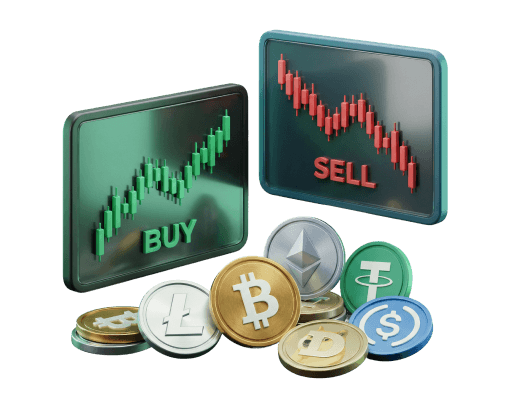
Krypto kontra Fiat: Nowa granica finansów
Handel kryptowalutami różni się fundamentalnie od tradycyjnych rynków, takich jak akcje czy forex. Kluczową różnicą jest decentralizacja – aktywa cyfrowe, takie jak Bitcoin czy Ethereum, nie są kontrolowane przez żaden centralny bank ani rząd. To tworzy rynek działający 24 godziny na dobę, 7 dni w tygodniu, bez przerw i dni wolnych. W przeciwieństwie do tradycyjnych kont bankowych, gdzie dostęp do środków jest pośredniczony, kryptowaluty umożliwiają samostanowienie dzięki portfelom cyfrowym. Użytkownik posiada swoje klucze prywatne i ma pełną kontrolę nad aktywami. Ta nowa paradigma własności i transferu wartości wprowadza zarówno unikalne możliwości, jak i nową odpowiedzialność za bezpieczeństwo. Handel na tym rynku wymaga zrozumienia, że dynamika jest napędzana przez technologię i globalną społeczność, a nie tradycyjne wskaźniki ekonomiczne.
Kupuj kryptowaluty szybko, łatwo i bezpiecznie dzięki Switchere!

Zeskanuj, aby pobrać aplikację
Pierwsze kroki w handlu kryptowalutami
Rozpoczęcie przygody z handlem kryptowalutami wymaga kilku przemyślanych kroków. Pierwszym jest wybór renomowanej giełdy kryptowalut lub brokera CFD, który oferuje dostęp do tych instrumentów. Należy zweryfikować jego bezpieczeństwo, opłaty i dostępne pary handlowe. Następnie konieczne jest założenie i zweryfikowanie konta, co zwykle wiąże się z procedurami KYC (Know Your Customer). Po zasileniu konta środkami fiat, takimi jak PLN lub EUR, można przejść do wyboru instrumentu handlowego, identyfikowanego przez jego symbol, np. BTC dla Bitcoina. Początkujący traderzy powinni zapoznać się z podstawowymi typami zleceń, takimi jak zlecenie rynkowe (market) i z limitem ceny (limit), które są dostępne na większości platform. Na koniec kluczowe jest rozważenie bezpiecznego przechowywania aktywów, na przykład poprzez transfer do prywatnego portfela sprzętowego.
Zrozumienie pulsu rynku: Kluczowe pojęcia
Aby skutecznie poruszać się po rynkach kryptowalut, niezbędne jest zrozumienie podstawowej terminologii. Płynność (liquidity) to jedno z najważniejszych pojęć – określa, jak łatwo można kupić lub sprzedać aktywo bez wpływania na jego cenę. Wysoka płynność oznacza zdrowy i stabilny rynek. Nastroje rynkowe (market sentiment) odgrywają ogromną rolę, prowadząc do ekstremalnych wahań cen napędzanych przez optymizm lub strach. Warto również śledzić aktywność on-chain, czyli dane z samego blockchaina, które mogą ujawnić ruchy dużych graczy, zwanych „wielorybami”, lub przepływy środków na giełdy i z giełd. Zmienność (volatility) to kolejna cecha charakterystyczna tego rynku, oznaczająca gwałtowne i częste zmiany cen. Zrozumienie tych sił pozwala lepiej interpretować ruchy rynkowe i podejmować bardziej świadome decyzje.
Jak traderzy analizują rynek
Traderzy kryptowalutowi wykorzystują kilka głównych metod do oceny rynku. Najpopularniejszą jest analiza techniczna (AT), która polega na badaniu historycznych wykresów cenowych w poszukiwaniu wzorców i trendów. Używa się do tego wykresów świecowych oraz wskaźników, takich jak średnie kroczące, wstęgi Bollingera czy wskaźnik siły względnej (RSI). Drugim filarem jest analiza fundamentalna (AF), która w kontekście krypto koncentruje się na ocenie samego projektu. Bada się jego technologię, zespół, tokenomię (ekonomię tokena) i potencjał do rozwiązania realnego problemu. Coraz większe znaczenie zyskuje również analiza on-chain, która dostarcza unikalnych danych bezpośrednio z łańcucha bloków. Łącząc te metody, traderzy starają się uzyskać pełniejszy obraz rynku, co pomaga im w podejmowaniu decyzji handlowych.
Popularne strategie handlu kryptowalutami
W handlu kryptowalutami stosuje się różne strategie, dostosowane do horyzontu czasowego i tolerancji na ryzyko. Day trading polega na otwieraniu i zamykaniu pozycji w ciągu jednego dnia w celu wykorzystania niewielkich wahań cen. Swing trading to podejście średnioterminowe, gdzie pozycje utrzymywane są przez kilka dni lub tygodni, aby skorzystać z większych ruchów rynkowych. Z kolei strategia długoterminowa, często nazywana „HODLing”, to w zasadzie inwestowanie oparte na przekonaniu o fundamentalnej wartości danego aktywa. Inne popularne podejścia to handel w zakresie (range trading), czyli kupowanie przy wsparciu i sprzedawanie przy oporze, oraz arbitraż, polegający na wykorzystywaniu różnic cenowych tego samego aktywa na różnych giełdach. Każda z tych strategii wymaga innego zestawu umiejętności i narzędzi analitycznych.
Zarządzanie ryzykiem: Miecz obosieczny
Skuteczne zarządzanie ryzykiem jest absolutnie kluczowe w handlu kryptowalutami, zwłaszcza na rynku znanym z dużej zmienności. Podstawowym narzędziem jest ustawianie zleceń stop-loss, które automatycznie zamykają pozycję, gdy cena osiągnie określony poziom straty, chroniąc kapitał przed dalszym spadkiem. Równie ważne są zlecenia take-profit, które realizują zyski na z góry określonym poziomie. Kluczowe jest również odpowiednie wymiarowanie pozycji (position sizing) – nigdy nie należy ryzykować więcej niż niewielki procent swojego kapitału na pojedynczej transakcji. Traderzy powinni także zwracać uwagę na stosunek ryzyka do zysku (risk-to-reward ratio), upewniając się, że potencjalny zysk z transakcji jest znacznie większy niż potencjalna strata. Ignorowanie tych zasad to jedna z najczęstszych przyczyn niepowodzeń w handlu.
Nawigacja po przepisach: Krajobraz prawny i regulacyjny
Środowisko regulacyjne dla kryptowalut jest wciąż w fazie rozwoju i znacznie różni się w zależności od kraju. Niektóre państwa, jak Salwador, przyjęły Bitcoina jako prawny środek płatniczy, podczas gdy inne nałożyły surowe ograniczenia lub całkowite zakazy. Dla traderów kluczowe jest zrozumienie i przestrzeganie przepisów obowiązujących w ich jurysdykcji, zwłaszcza w kwestiach podatkowych. Zyski z handlu kryptowalutami są zazwyczaj traktowane jako zyski kapitałowe i podlegają opodatkowaniu. Giełdy kryptowalut coraz częściej współpracują z organami regulacyjnymi, wprowadzając procedury weryfikacji tożsamości (KYC) i przeciwdziałania praniu pieniędzy (AML). Przed rozpoczęciem handlu warto zapoznać się z lokalnym stanowiskiem prawnym, aby uniknąć problemów w przyszłości.
Często zadawane pytania
-
Czy handel kryptowalutami jest bezpieczny?
Każdy rodzaj handlu wiąże się ze znacznym ryzykiem, a rynki kryptowalut są znane z dużej zmienności. Chociaż renomowane giełdy stosują zaawansowane środki bezpieczeństwa, ryzyko obejmuje zmienność rynkową, potencjalne ataki hakerskie na platformy oraz zmiany regulacyjne. Bezpieczeństwo zależy od korzystania z zaufanych platform, stosowania silnych zabezpieczeń osobistych (np. uwierzytelniania dwuskładnikowego) i wdrażania solidnych strategii zarządzania ryzykiem. Nie ma gwarancji zysku, a można stracić cały zainwestowany kapitał. -
Ile pieniędzy potrzebuję, aby zacząć handlować kryptowalutami?
Minimalna kwota różni się w zależności od giełdy, ale często jest bardzo niska i może wynosić zaledwie kilka dolarów. Kluczowe jest, aby początkujący zaczynali od niewielkiej kwoty kapitału, którą są w pełni gotowi stracić. Pozwala to na naukę mechaniki rynku bez ponoszenia znacznego ryzyka finansowego. Na początku należy skupić się na zdobywaniu wiedzy i doświadczenia, a nie na osiąganiu dużych zysków. -
Jaka jest różnica między handlem a inwestowaniem w krypto?
Główna różnica leży w horyzoncie czasowym i metodologii. Handel zazwyczaj obejmuje krótsze ramy czasowe (od minut do tygodni) i koncentruje się na czerpaniu zysków ze zmienności rynkowej przy użyciu analizy technicznej. Inwestowanie, w świecie krypto często nazywane „HODLingiem”, to strategia długoterminowa oparta na wierze w fundamentalną wartość projektu, z zamiarem trzymania aktywów przez miesiące lub lata. -
Czy mogę handlować kryptowalutami 24/7?
Tak. W przeciwieństwie do tradycyjnych giełd papierów wartościowych, które mają stałe godziny otwarcia i zamknięcia, globalny rynek kryptowalut działa 24 godziny na dobę, 7 dni w tygodniu. Dzieje się tak, ponieważ jest to rynek zdecentralizowany, z uczestnikami z całego świata. Ta ciągła aktywność stwarza zarówno możliwości, jak i wyzwania, ponieważ ruchy cenowe mogą wystąpić w dowolnym momencie. -
Jak ustalane są ceny kryptowalut?
Ceny są determinowane głównie przez podaż i popyt na giełdach. Na tę równowagę wpływa wiele czynników: nastroje rynkowe (entuzjazm lub strach), wiadomości i rozwój projektów (tokenomia), adopcja przez instytucje i użytkowników detalicznych, czynniki makroekonomiczne oraz regulacje rządowe. W przeciwieństwie do tradycyjnych aktywów, nie ma centralnego organu ustalającego cenę; jest ona wynikiem ostatniej transakcji, na którą zgodzili się kupujący i sprzedający.
Przewodniki po kryptowalutach
Początkujący-frendly
Zrozumienie Mechaniki Rynków Finansowych Szczegółowy przegląd funkcjonowania giełd, instrumentów i systemów transakcyjnych.
 Farouk Ahmed
|
Farouk Ahmed
|
Mechanika day tradingu: Jak funkcjonuje handel wewnątrzsesyjny Zrozumienie zjawisk, technologii rynkowej i metod analizy, które napędzają dzisiejsze platformy giełdowe i decyzje operatorów finansowych.
 Alexey Morozov
|
Alexey Morozov
|
Struktury korporacyjne na rynkach: Przewodnik po numerze EIN Zrozum obiektywne mechanizmy zakładania działalności, oddzielania kapitału i nawigowania po instytucjonalnych kontach brokerskich.
 Oliver Grant
|
Oliver Grant
|

Nasza strona używa plików cookie. Nasza polityka dotycząca plików cookie