


O Mercado Que Nunca Dorme: O Trading de Cripto é Realmente 24/7?
Um guia aprofundado para entender os horários do mercado global de cripto, padrões de volatilidade e timing estratégico.
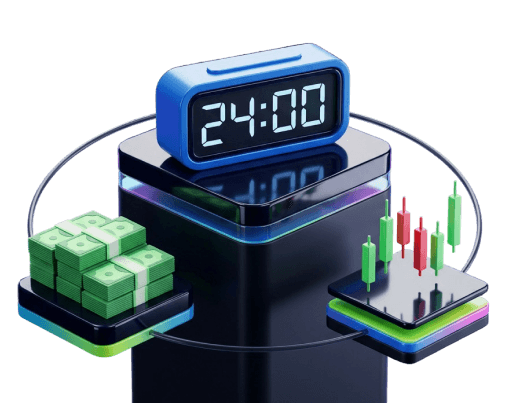
O Mercado Que Nunca Dorme: Por Que as Criptos Negociam 24/7
Diferentemente das bolsas de valores tradicionais, que operam em horários fixos e fecham nos feriados, o mercado de criptomoedas nunca para. A razão principal é a sua natureza descentralizada. Não existe uma sede física ou um órgão central que dite as horas de funcionamento. As transações são processadas e validadas por uma rede global de computadores, o que permite atividade de negociação contínua. Essa disponibilidade da plataforma significa que a atividade de trading global pode ocorrer a qualquer momento, seja dia ou noite.
Essa operação ininterrupta remove as barreiras impostas pelos principais centros financeiros e seus respectivos horários bancários. Como resultado, os traders podem reagir a notícias e eventos globais instantaneamente, sem esperar a abertura de um mercado. A liquidez flutua, mas a oportunidade para participação estratégica está sempre presente, influenciando os resultados das negociações com base no timing e no fluxo de atividade global.
Compre criptomoedas de forma rápida, fácil e segura com o Switchere!

Digitalize para baixar o aplicativo
Encontrando o Ritmo: Melhores Horários e Dias Para Negociar Cripto
Embora o mercado esteja sempre aberto, nem todos os momentos são iguais. O volume de negociação e a volatilidade variam significativamente ao longo do dia. Períodos de alta atividade geralmente ocorrem quando os horários de grandes mercados se sobrepõem. Por exemplo, a sobreposição dos mercados de Londres e Nova York, entre 8:00 e 12:00 EST (horário do leste dos EUA), costuma ser um período de alta liquidez e movimentos de preço significativos. Durante essas horas, tanto traders institucionais quanto day traders estão mais ativos.
- Maior liquidez, facilitando a execução de ordens.
- Spreads (diferença entre compra e venda) geralmente mais baixos.
- Movimentos de preço mais claros e definidos.
- Menor liquidez pode causar derrapagem (slippage).
- Spreads mais amplos aumentam os custos.
- Risco de movimentos de preço súbitos e erráticos.
Swing traders podem preferir períodos mais calmos, enquanto day traders buscam a volatilidade das sessões sobrepostas. Acompanhar a atividade com um rastreador de mercado em tempo real pode ajudar a identificar essas janelas de oportunidade.
Um Mundo de Negócios: Fusos Horários e Impacto Regional
A natureza global das criptomoedas significa que, enquanto uma parte do mundo dorme, outra está ativamente negociando. Isso cria um ciclo de 24 horas de atividade contínua. Para um trader no Brasil, por exemplo, que segue o Fuso Horário de Brasília (BRT), é importante entender como as sessões asiática, europeia e americana impactam o mercado. A sessão asiática, que ocorre durante a madrugada no Brasil, pode definir o tom para o resto do dia. A sobreposição das sessões global é onde a mágica acontece.
Compreender esses padrões de negociação ajuda a antecipar quando a volatilidade pode aumentar e quando o mercado pode estar mais lento. Os melhores horários para negociar cripto dependem da estratégia de cada um, mas a consciência dos fusos horários globais é fundamental.
Navegando as Marés: Liquidez do Mercado e Padrões de Volatilidade
Liquidez e volatilidade são dois conceitos interligados que ditam a dinâmica do mercado. A liquidez refere-se à facilidade com que um ativo pode ser comprado ou vendido sem causar uma mudança significativa em seu preço. Períodos de alta liquidez, como a sobreposição das sessões de Londres e Nova York, são ideais para a maioria das negociações. Em contraste, períodos de baixa liquidez, como fins de semana ou madrugadas, podem ser arriscados.
Negociar durante períodos de baixa liquidez, ou 'mercados finos', pode expor os traders a derrapagens de preço e movimentos súbitos, pois uma única ordem grande pode impactar o mercado desproporcionalmente.
Bots de negociação algorítmica operam 24/7 e podem amplificar os movimentos de preço durante esses períodos de baixo volume. Para quem pratica scalping, janelas de alta volatilidade são o foco, enquanto investidores de longo prazo podem ser menos afetados pelos padrões diários.
O Relógio e o Fisco: Como o Momento da Negociação Afeta Seus Impostos
O timing de uma negociação não afeta apenas o resultado financeiro, mas também tem implicações fiscais. A data de execução da negociação é o que determina em qual ano fiscal o ganho ou a perda de capital será registrado. No Brasil, o ano fiscal corresponde ao ano calendário, de 1º de janeiro a 31 de dezembro. Isso significa que uma negociação realizada às 23:00 do dia 31 de dezembro entra na declaração do ano corrente. Já uma negociação feita duas horas depois, à 01:00 de 1º de janeiro, pertencerá ao próximo ano fiscal.
Entender as regras de timing fiscal é essencial para um planejamento tributário adequado e para garantir que todos os ganhos de capital sejam declarados corretamente, de acordo com a legislação vigente sobre criptoativos no Brasil.
Esse detalhe é particularmente importante para traders que realizam operações no final do ano, pois pode alterar significativamente suas obrigações fiscais.
Timing é Tudo: Ferramentas e Estratégias de Gestão
Traders experientes utilizam o timing a seu favor, não para prever o futuro, mas para gerenciar riscos. Uma abordagem comum é alinhar as negociações com os horários de maior atividade de mercado, aproveitando os períodos de sobreposição das sessões para encontrar melhores pontos de entrada e saída. A gestão de risco é fundamental em um mercado 24/7. Ferramentas como ordens de stop-loss são essenciais, pois permitem definir um preço no qual uma posição é automaticamente fechada para limitar perdas, protegendo o capital enquanto o trader está offline ou dormindo.
Conceitos Chave de Timing
Ordens Stop-Loss: Uma ordem automática para vender um ativo quando ele atinge um determinado preço, usada para limitar perdas.
Gaps da CME de Bitcoin: Diferenças de preço que ocorrem quando o mercado futuro de Bitcoin da CME fecha no fim de semana e o mercado à vista continua negociando. Alguns traders observam esses 'gaps' como potenciais alvos de preço.
Analisar tendências de mercado e padrões de negociação em diferentes fusos horários globais também pode fornecer insights valiosos sobre possíveis movimentos do mercado.
O Fator Fim de Semana e Feriados
Diferente dos mercados tradicionais, as criptomoedas continuam a ser negociadas durante os fins de semana e feriados. No entanto, a dinâmica do mercado nesses períodos costuma ser diferente. Com as instituições financeiras e muitos traders profissionais offline, o volume de negociação geralmente diminui. Essa redução na liquidez pode levar a dois cenários: um mercado mais lento com poucos movimentos de preço ou, inversamente, uma maior volatilidade, onde ordens menores podem causar oscilações de preço mais significativas.
Menos participantes institucionais.
Pode ser baixa ou apresentar picos súbitos.
Mercados 'finos' aumentam o risco de derrapagem.
É importante que os traders que operam nos fins de semana estejam cientes desses riscos e ajustem suas estratégias de gestão de risco de acordo.
Perguntas frequentes
-
É arriscado negociar cripto nos fins de semana?
Negociar nos fins de semana pode apresentar riscos diferentes. Geralmente, o volume de negociação é menor porque as principais instituições financeiras estão fechadas. Esse mercado 'fino' pode resultar em maior volatilidade e movimentos de preço mais imprevisíveis. Embora possam surgir oportunidades, é importante estar ciente do potencial aumentado para oscilações de preço súbitas. -
O que acontece com minhas negociações se a plataforma da exchange entrar em manutenção?
As exchanges geralmente agendam manutenções durante períodos de baixa atividade para minimizar o impacto. Durante a manutenção, a negociação, os depósitos e os saques podem ser temporariamente suspensos. Posições abertas permanecerão ativas, mas você não poderá modificá-las. É crucial seguir os anúncios da sua exchange para se preparar para qualquer tempo de inatividade planejado. -
Por que o volume de negociação de cripto é menor nos fins de semana?
O volume de negociação tende a ser menor nos fins de semana principalmente porque os traders institucionais e profissionais, que respondem por uma parte significativa da atividade do mercado, geralmente não trabalham. Isso leva a menos liquidez e, consequentemente, a um menor volume geral de negociações. -
Como iniciante, devo evitar negociar em certos horários?
Para iniciantes, pode ser prudente evitar períodos de extrema volatilidade ou de baixa liquidez, como durante grandes anúncios de notícias ou nas madrugadas de fim de semana. Começar negociando durante as horas de pico de sobreposição de mercado (por exemplo, a sessão de Londres/Nova York) pode oferecer um ambiente mais estável devido à maior liquidez. -
Como gerencio minhas posições se estou dormindo?
A gestão de posições enquanto você está offline é crucial em um mercado 24/7. Utilizar ferramentas como ordens de 'stop-loss' para limitar perdas potenciais e ordens de 'take-profit' para garantir lucros em um preço-alvo são práticas de gestão de risco fundamentais. Essas ordens são executadas automaticamente quando o preço atinge o nível que você definiu.
Guias de criptografia
Para iniciantes
A Estrutura Operacional dos Mercados de Trading Entenda de forma objetiva como os participantes navegam pela liquidez, riscos e execução tecnológica financeira.
 Farouk Ahmed
|
Farouk Ahmed
|
Mecânica do Intraday Trading A infraestrutura operacional e técnica das negociações de ações no mesmo dia
 Alexey Morozov
|
Alexey Morozov
|
Como Estruturar Lucros de Day Trading Sob Um EIN Guia informativo sobre estruturas corporativas, separação de renda e administração de contas de corretagem institucionais.
 Oliver Grant
|
Oliver Grant
|

Nosso site usa cookies. Nossa política de cookies