


En nybegynnerguide til meme-coin-økosystemet
Forstå plattformene, verktøyene og de betydelige risikoene før du engasjerer deg i meme-tokens.
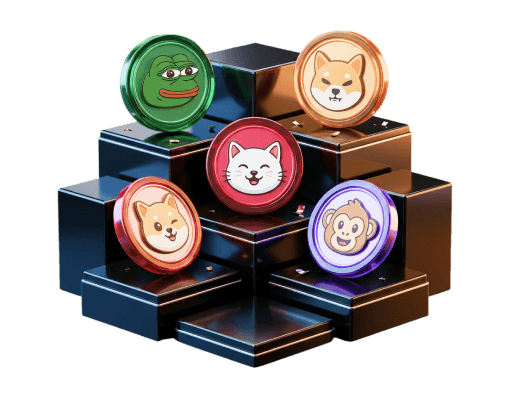
Forstå meme-coins: Mer enn bare en spøk
Meme-coins er en unik kategori av digitale eiendeler som henter sin verdi primært fra internettkultur og entusiasme i fellesskapet, snarere enn underliggende nytteverdi. Fenomenet startet med Dogecoin (DOGE), en kryptovaluta skapt som en munter parodi på Bitcoin. Til tross for opprinnelsen, utløste den en bevegelse som beviste at sterk fellesskapsånd og memetisk appell kunne drive frem betydelig interesse. I motsetning til desentraliserte blokkjedevalutaer som Ethereum, som driver enorme økosystemer av applikasjoner, har meme-tokens som Shiba Inu (SHIB), Bonk (BONK) eller Mog Coin (MOG) ofte ingen annen hensikt enn sin egen eksistens som internett-memes. Verdien deres er knyttet til trender på sosiale medier, viralt innhold og den kollektive troen til eierne, noe som gjør dem til et fascinerende, men svært spekulativt hjørne av kryptoverdenen.
Meme-coins er et sosialt eksperiment i sanntid, som tester kraften i fellesskap og nettkultur opp mot tradisjonelle finansielle prinsipper.
Kjøp krypto raskt, enkelt og sikkert med Switchere!

Skann for å laste ned appen
Hvor man kan trade: Sentraliserte vs. desentraliserte arenaer
Det er to primære arenaer for trading av meme-coins: sentraliserte og desentraliserte børser. Sentraliserte kryptobørser (CEX-er) som Kraken eller Coinbase er selskapsdrevne plattformer som tilbyr en brukervennlig opplevelse, kundestøtte og høy likviditet for etablerte mynter. Imidlertid lister de meme-coins selektivt, ofte lenge etter den opprinnelige lanseringen. I motsetning til dette er desentraliserte børser (DEX-er) som Uniswap på Ethereum-nettverket eller Raydium på Solana-blokkjeden stedet der de fleste nye meme-coins først dukker opp. Disse plattformene er automatiserte, ikke-depotbaserte (non-custodial) og lar hvem som helst liste en token. Denne åpenheten er grunnen til at de er episenteret for meme-coin-aktivitet, men det introduserer også betydelige risikoer som ikke finnes på CEX-er. Verktøy som DEX Screener brukes ofte for å bla gjennom tokens som handles på disse arenaene.
- Enklere å bruke for nybegynnere.
- Høyere sikkerhet og regulatorisk tilsyn.
- Kundestøtte er tilgjengelig.
- Tilgang til helt nye, ukjente tokens.
- Krever en ikke-depotbasert lommebok (non-custodial wallet).
- Høyere risiko for svindel og tekniske feil.
Ditt meme-coin-verktøysett: Essensiell programvare
For å samhandle med desentraliserte børser trenger du en ikke-depotbasert lommebok (non-custodial wallet). Denne typen programvare gir deg eksklusiv kontroll over dine private nøkler og dermed midlene dine. Populære valg inkluderer MetaMask for Ethereum-baserte tokens og Phantom eller Solflare for alt på Solana-blokkjeden. Tenk på Solana-lommeboken din som ditt personlige pass til det desentraliserte nettet. For de som søker raskere utførelse, har trading-programvare og roboter (bots) blitt populære grensesnitt. Verktøy som Unibot eller BonkBot, som ofte betjenes via Telegram, kan forenkle prosessen med å utføre et raskt kjøp på en DEX. Imidlertid introduserer de et ekstra lag med kompleksitet og risiko, ettersom du stoler på at en tredjepartsapplikasjon håndterer transaksjonene dine sikkert. Utvis alltid ekstrem forsiktighet når du gir tillatelser til trading-roboter.
En ikke-depotbasert lommebok (non-custodial wallet) er en kryptolommebok der kun du eier og kontrollerer de private nøklene. I motsetning til en børskonto, kan ingen tredjepart få tilgang til eller fryse eiendelene dine. Dette gir større kontroll, men betyr også at du er 100 % ansvarlig for å sikre lommeboken din.
DEX-tradingprosessen: En teknisk gjennomgang
Å engasjere seg med en DEX innebærer en tydelig prosess i flere trinn. Først må du fylle på lommeboken din med blokkjedens opprinnelige valuta, som ETH eller SOL, som brukes til å betale transaksjonsgebyrer. Dette innebærer ofte å bytte fiat til krypto på en sentralisert børs, etterfulgt av et uttak til din personlige lommebokadresse. Deretter, og aller viktigst, må du finne den riktige token-adressen for meme-coinen du er interessert i; denne unike identifikatoren forhindrer deg i å kjøpe en falsk kopi-token. Når du har adressen, kobler du lommeboken din til DEX-grensesnittet, limer inn token-adressen i byttefeltet (swap), skriver inn beløpet du ønsker å trade, og godkjenner transaksjonen. DEX-ens smartkontrakt utfører deretter byttet og sender de nye tokensene direkte til lommeboken din.
Navigere i minefeltet: Kjernerisikoer forklart
Meme-coin-området er fylt med betydelige risikoer. Den mest åpenbare er ekstrem volatilitet, der prisene kan svinge dramatisk på minutter, noe som ofte fører til et totalt verditap. Utover markedsbevegelser er ondsinnede aktører en konstant trussel. 'Rug pulls' er en vanlig svindel der utviklere lister en token, tiltrekker seg kjøpere for å skaffe likviditet, og deretter trekker ut alle midlene, slik at tokenen blir verdiløs. Å analysere on-chain-data som fordelingen av eiere kan gi ledetråder; hvis noen få lommebøker eier en massiv andel av token-forsyningen, kan det være et rødt flagg. En prosjektvurdering bør alltid innebære å sjekke markedsverdien (market cap) og, enda viktigere, mengden låst likviditet. Utilstrekkelig likviditet kan gjøre det umulig å selge tokensene dine, selv om de ser ut til å ha verdi på papiret.
Prisene kan falle over 90 % på minutter på grunn av stemningen i sosiale medier eller utvikleres handlinger.
Grunnleggere kan forlate et prosjekt og tømme det for midler, slik at investorene sitter igjen med ingenting.
Selv om en token har verdi, kan det hende du ikke kan selge den på grunn av mangel på kjøpere eller tilgjengelige midler.
Forskningsstrategier for due diligence
Å ta informerte beslutninger på dette området krever undersøkelser, ikke spekulasjon. Verktøy som DEX Screener er uunnværlige, og gir sanntids prisdiagrammer, transaksjonshistorikk og likviditetsinformasjon for tokens på desentraliserte børser. En annen nyttig ressurs er Token Sniffer, som automatisk skanner token-kontrakter for kjente svindelegenskaper, og gir en rask førstehåndsanalyse. Å vurdere styrken til fellesskapet er også viktig, men krever et kritisk blikk. En stor Telegram-gruppe kan være et positivt tegn, men den kan også være fylt med roboter eller villedende hype. Målet er å samle objektive datapunkter. Å undersøke eierfordelinger, likviditetsfaktorer og integriteten til token-kontraktene er alle deler av en sunn forskningsprosess. Disse trinnene garanterer ikke et positivt utfall, men de hjelper til med å forstå de tilknyttede risikoene.
Viktige forskningsbegreper
Gas-gebyrer (Gas Fees): Kostnaden for å utføre en transaksjon på en blokkjede, som svinger basert på nettverkskø.
Slippage: Forskjellen mellom den forventede prisen på en handel og prisen den faktisk utføres til.
Token-kontrakt: Smartkontrakten på blokkjeden som definerer tokenens regler, for eksempel dens totale forsyning og funksjoner.
Håndtering av posisjonen din: Tekniske innstillinger og tilnærminger
Å forstå verktøyene for risikostyring er grunnleggende. Å ha forhåndsbestemte inngangs- og utgangsstrategier er en mekanisk tilnærming til beslutningstaking, designet for å fjerne følelser fra prosessen. Dette handler ikke om å time markedet for profitt, men om å definere betingelsene for når du vil gå inn eller ut basert på din personlige risikotoleranse. På en DEX er innstillingen for slippage-toleranse en viktig teknisk funksjon. Å sette den for høyt (f.eks. 20 %) betyr at du aksepterer en pris som er opptil 20 % dårligere enn oppgitt, noe som utsetter deg for front-running-roboter. Å sette den for lavt (f.eks. 0,5 %) kan føre til at transaksjonen din mislykkes i et volatilt marked. På samme måte er konseptet med delvis gevinstsikring en risikostyringsteknikk der en bruker kan selge en del av beholdningen sin etter en prisøkning for å sikre noe av den opprinnelige kapitalen, og dermed redusere sin totale eksponering.
Ofte stilte spørsmål
-
Hva er de største risikoene ved trading av meme-coins?
De primære risikoene er ekstrem volatilitet (prisene kan gå til null), 'rug pulls' der utviklere forlater prosjektet og tar pengene, og illikviditet, der du ikke klarer å selge tokensene dine på grunn av mangel på kjøpere. -
Kan jeg tape alle pengene mine på trading av meme-coins?
Ja, absolutt. Du bør kun engasjere deg med midler du er fullt forberedt på å tape. På grunn av deres spekulative natur og høye risiko for svindel, er det en veldig reell mulighet for å tape hele innskuddet ditt. -
Hvorfor er det så viktig å verifisere token-kontraktadressen?
Svindlere lager ofte falske tokens med samme navn og logo som en populær meme-coin. Kontraktadressen er den eneste unike identifikatoren for en token på blokkjeden. Å verifisere den sikrer at du samhandler med den legitime eiendelen og ikke en falsk kopi. -
Hva er forskjellen mellom en mynts markedsverdi og dens likviditet?
Markedsverdi (market cap) er den totale teoretiske verdien av alle mynter i sirkulasjon (forsyning x pris). Likviditet er mengden penger tilgjengelig i en trading-pool som lar deg faktisk kjøpe eller selge mynten. En mynt kan ha høy markedsverdi, men svært lav likviditet, noe som gjør det umulig å selge den. -
Hvordan bestemmes gas-gebyrer?
Gas-gebyrer er kostnaden for å behandle en transaksjon på en blokkjede som Ethereum eller Solana. De bestemmes av nettverksetterspørselen. I perioder med høy aktivitet, når mange prøver å utføre transaksjoner, blir nettverket overbelastet og gas-gebyrene stiger betydelig.
Kryptoguider
Nybegynnervennlig
Hvordan finansmarkedene fungerer En objektiv gjennomgang av mekanismene som driver moderne prisbevegelser og markedsaktivitet.
 Farouk Ahmed
|
Farouk Ahmed
|
Forstå Mekanikken bak Intradaghandel Et dypdykk i systemene, teknologien og metodene som driver daglige transaksjoner i aksjemarkedet.
 Alexey Morozov
|
Alexey Morozov
|
Strukturering av overskudd: Fra personlig konto til selskapsform En detaljert gjennomgang av mekanismene for å håndtere handelsaktiviteter og kapital gjennom en profesjonell selskapsstruktur.
 Oliver Grant
|
Oliver Grant
|

Nettstedet vårt bruker informasjonskapsler. Våre retningslinjer for informasjonskapsler