- Hjemmeside
- Konverter
- Bulgarian Lev (BGN) til Polkadot (DOT)

Konverter
Bulgarian Lev (BGN) til Polkadot (DOT) med det samme


Køb Polkadot (DOT) med Bulgarian Lev (BGN) nemt hos Switchere og nyd godt af hurtige, sikre transaktioner.
Omkring
Polkadot (DOT)
Polkadot (DOT) fremstår som en næste generations blockchain-protokol, der er konstrueret til at lette hidtil uset kommunikation og interoperabilitet på tværs af kæder i en skalerbar, sikker, multikæde-arkitektur. Dens primære formål er at gøre det muligt for forskellige blockchains, kendt som parachains, at udveksle information og transaktioner på en troværdig måde. Det løser den store udfordring med blockchain-siloing, hvor individuelle netværk fungerer isoleret. Polkadots kerneteknologi drejer sig om en central Relay Chain, som giver delt sikkerhed og konsensus til forbundne parachains. Disse parachains kan tilpasses til specifikke brugssager, bygget ved hjælp af den fleksible Substrate-ramme, hvilket fremmer et mangfoldigt økosystem af specialiserede kæder.
Det oprindelige DOT-token spiller flere afgørende roller i dette økosystem af digitale aktiver. Det bruges til netværksstyring, så indehavere kan deltage i beslutningstagning vedrørende protokolopgraderinger og finanstildelinger. DOT er også afgørende for staking inden for Polkadots konsensusmekanisme Nominated Proof-of-Stake (NPoS), hvor nominatorer støtter validatorer for at sikre netværket og optjene belønninger. Desuden er DOT-tokens bundet af projekter til at lease parachain-slots gennem en auktionsmekanisme, der gør det muligt for dem at forbinde sig til Relay Chain og drage fordel af dens poolede sikkerheds- og interoperabilitetsfunktioner. Denne tokenomics-model sikrer aktiv deltagelse og tilpasning til netværkets langsigtede sundhed og positionerer Polkadot som en grundlæggende Web3-infrastruktur for et ægte sammenkoblet digitalt hovedbogssystem.

Sådan køber du Polkadot (DOT).
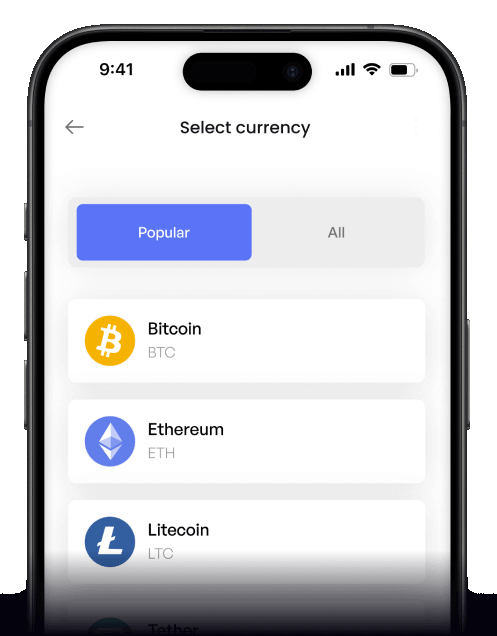
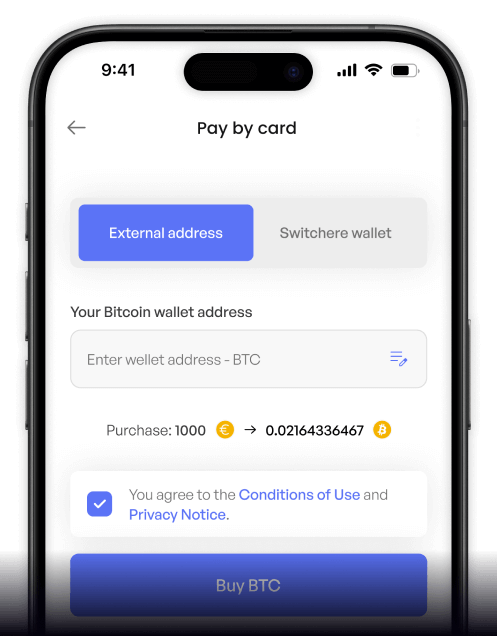
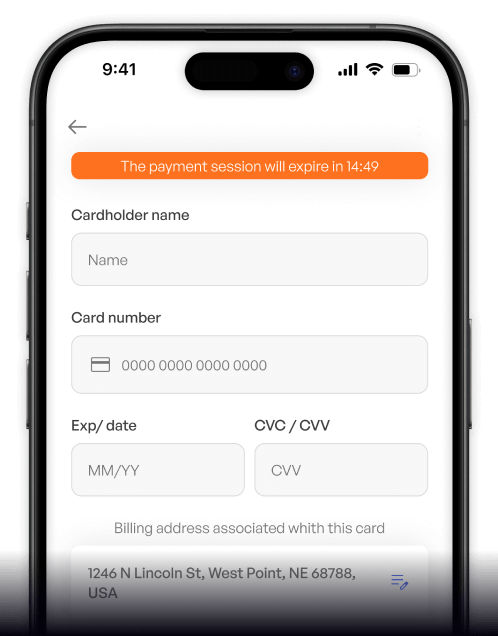
 Trin-for-trin vejledning
 Nemme betalinger med kreditkort
 Strømlinet købsproces
 Web
Web
Populære mønter for Bulgarian Lev (BGN)




Andre mønter til Bulgarian Lev (BGN)







Ofte stillede spørgsmål
-
Hvad er den mest almindelige måde at købe Polkadot (DOT) med bulgarske lev (BGN)?
Den mest almindelige metode er via en centraliseret kryptovalutabørs, der understøtter BGN som en fiat on-ramp. Brugere skal typisk gennemføre en KYC/AML-overholdelseskontrol og derefter indbetale BGN via en SEPA-overførsel eller bankkort. Når BGN er på din børskonto, kan du placere en ordre på DOT i BGN/DOT-handelsparrets ordrebog. -
Hvorfor er et direkte BGN/DOT-par fordelagtigt for at få adgang til Polkadot-økosystemet?
Et direkte BGN/DOT-handelspar giver en strømlinet fiat-gateway for bulgarske investorer. Det eliminerer behovet for først at konvertere til en større valuta som EUR eller USD, hvilket kan reducere transaktionsgebyrer og slippage. Dette giver direkte adgang til Polkadots multi-chain-økosystem, så brugerne kan deltage i dets on-chain-styring, stake DOT for delt sikkerhed eller interagere med forskellige parachains. -
Hvilke tekniske funktioner ved Polkadot er vigtige at forstå, før man køber DOT?
Før man anskaffer sig DOT, er det afgørende at forstå dets kerne-arkitektur. Polkadot bruger en Relay Chain til central koordination og sikkerhed og understøtter talrige heterogene blockchains kaldet parachains. Denne struktur, bygget på Substrate-frameworket, muliggør ægte interoperabilitet og cross-chain kommunikation. Netværket er sikret af en Nominated Proof-of-Stake (NPoS) konsensusmekanisme, hvor DOT-indehavere kan fungere som nominatorer eller validatorer for at sikre netværket og tjene belønninger. -
Hvilken slags gebyrer er forbundet med at købe DOT med BGN og sikre det?
Flere gebyrer kan være gældende. For det første kan der være et indbetalingsgebyr for din BGN-overførsel. For det andet vil kryptovalutabørsen opkræve et handelsgebyr (enten et maker- eller taker-gebyr), når du udfører BGN/DOT-handlen i ordrebogen. Endelig, når du flytter dine DOT fra børsen til en sikker, ikke-depotbaseret digital tegnebog til langsigtet opbevaring og staking, vil der blive opkrævet et blockchain-transaktionsgebyr (netværksgebyr). Dette gebyr betales til Polkadot-netværkets validatorer. -
Hvordan påvirker Polkadots on-chain-styring mine DOT-beholdninger?
Polkadot har et sofistikeret on-chain-styringssystem, hvor DOT-indehavere kan foreslå, stemme om og implementere netværksopgraderinger og ændringer uden at kræve en hard fork. At eje DOT giver dig en direkte stemme i protokollens fremtidige udvikling. Du kan selv stemme på forslag eller delegere din stemmeret. Denne demokratiske proces påvirker direkte netværkets parametre, funktionalitet og tildeling af midler fra statskassen, hvilket kan påvirke den langsigtede nytte og værdi af dit digitale aktiv.
Handel på farten
Hvor som helst. Når som helst
Gennem Switchere kan du købe eller sælge krypto med det samme - handle med alle populære mønter og tokens med et tryk på en knap.



Scan for at downloade appen til iOS og Android