


Forstå prop trading og branchens strukturer
En detaljeret gennemgang af kapitalallokering, risikostyring og proprietære handelsmodeller uden kunders midler.
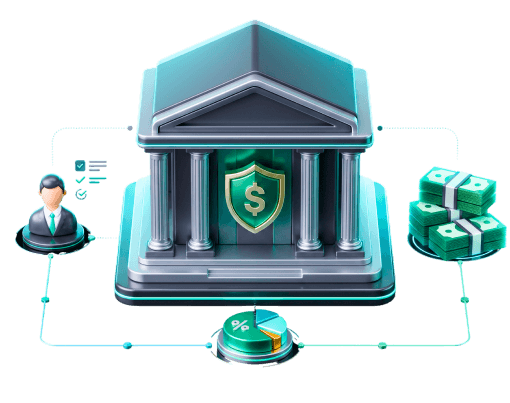
Hvad er proprietær handel?
Proprietary trading opstår, når en finansiel institution handler med aktier, obligationer, valuta eller andre finansielle instrumenter for egne penge frem for kundernes. Overskuddet går direkte til virksomhedens egen bundlinje. Store regulerede banker og uafhængige handelsfirmaer bruger denne model til at maksimere deres afkast gennem strategisk kapitalallokering. Modellen kræver direkte markedsadgang og sofistikerede teknologiske systemer. Handlere får typisk stillet en kapital til rådighed, som de kan operere med under strenge risikostyringsregler. Fraværet af eksterne kunders midler ændrer dynamikken fundamentalt. Institutionen tager hele risikoen, hvilket betyder, at interne kontroller og specifikke regler for tab spiller en central rolle i hverdagen. Forskellige operationelle modeller bygger på at udnytte markedets ineffektiviteter udelukkende med egne ressourcer.
Proprietary trading flytter fokus fra kundens afkast til institutionens egen indtjening gennem direkte markedsdeltagelse.

Forskellen på prop trading og andre handelsformer
Hovedforskellen mellem prop trading og traditionel investeringsforvaltning ligger i kapitalens oprindelse. Hedgefonde og almindelige mæglere baserer deres forretning på indsamling af aktiver og kundernes indskud. De tjener penge gennem gebyrer og en procentdel af det skabte overskud. Prop trading eliminerer fuldstændigt behovet for eksterne investorers midler. Et prop-firma opererer udelukkende med sin egen kapital, hvilket skaber en helt anden form for kapitaleffektivitet. Denne struktur fjerner kravet om løbende kunderapportering og etablerer en direkte vej til profit. Mange moderne detailfokuserede proprietære handelsfirmaer tilbyder nu talentfulde handlere muligheden for at bevise deres værd gennem demokonti, før de får adgang til live konti.
Firmaet bruger udelukkende sine egne penge til at handle.
Der er ingen eksterne investorer at rapportere til.
Risikostyring og interne kontroller
Uden kunder til at absorbere potentielle tab bærer prop-firmaet hele den økonomiske risiko alene. Dette kræver et ufravigeligt system af interne risikokontroller. Hver enkelt handler opererer under specifikke positionsgrænser, som dikterer den maksimale eksponering i et givent marked. Tabstærskler overvåges i realtid af automatiserede systemer. Hvis en handler nærmer sig de tilladte maksimale værdifald, griber systemet ind og lukker positionerne for at beskytte firmaets egenkapital. Disse strenge mekanismer sikrer, at ingen enkeltstående medarbejder kan true hele virksomhedens overlevelse. Forskellige organisatoriske modeller prioriterer derfor risikostyring over alt andet. Faste rammer for eksponering udgør fundamentet i virksomhedens daglige drift.
Firmaets overlevelse afhænger direkte af dets evne til at implementere og håndhæve stramme tabsgrænser og faste positionsstørrelser.
Den moderne bølge af fjernfinansierede programmer
Teknologien har demokratiseret adgangen til institutionel kapital. En ny bølge af fjernfinansierede programmer giver i dag uafhængige handlere over hele verden mulighed for at operere med store summer. Denne udvikling har især tiltrukket millennials og gen z, som foretrækker en fleksibel struktur og fraværet af traditionelle virksomhedshierarkier. Modellen bygger ofte på en form for gamificering af handelsudfordringer, hvor kandidater skal bevise deres evner gennem en række testfaser. Består de disse prøver, tilbydes de en overskudsdelingsaftale baseret på deres præstationer. Denne form for præstationsbaserede ordninger øger den generelle markedsdeltagelse og skaber nye karriereveje for talentfulde individer.
- Adgang til stor kapital for talentfulde handlere
- Ingen personlig økonomisk risiko ved tab
- Fleksible arbejdsbetingelser og lokation
- Strenge evalueringsfaser kræver høj disciplin
- Firmaet beholder en fast andel af overskuddet
- Konstante krav om at overholde stramme tabsgrænser
Regulatoriske rammer og tilsyn
Det finansielle system kræver faste spilleregler for at forblive stabilt. Prop trading opererer under et komplekst reguleringsmæssigt rammeværk, der varierer markant afhængigt af jurisdiktion. Institutioner står over for omfattende compliance-forpligtelser og høje kapitalkrav. Regulatoriske organer fører et tæt tilsyn for at sikre, at handlen ikke truer markedsstabiliteten. Banker skal navigere i specifikke handelsrestriktioner og en grundig forsigtighedsregulering. Der stilles klare krav til rapporteringsstandarder og overholdelse af faste regler for markedsadfærd. Mindre prop-firmaer møder andre, men lige så vigtige krav til licensering. Selvom de ikke forvalter kundemidler, skal de stadig bevise over for myndighederne, at deres interne procedurer forhindrer markedsmanipulation.
| Reguleret bank | Strenge kapitalkrav | Høj grad af systemisk tilsyn |
| Uafhængigt prop-firma | Fokus på interne kontroller | Mindre systemisk risiko |
Fremtiden for proprietær handel
Finansmarkederne udvikler sig konstant, og prop-firmaerne tilpasser sig løbende nye teknologiske landvindinger. Automatisering og maskinlæring dikterer i stigende grad, hvordan kapitalen allokeres mest effektivt. Den eksisterende regulering opdateres jævnligt, hvilket tvinger firmaerne til at integrere endnu skarpere interne kontroller direkte i deres handelsalgoritmer. Skiftet mod decentraliserede talentpuljer ændrer branchens fundament. Evnen til lynhurtigt at analysere data adskiller de mest succesfulde aktører fra resten. Fremtidens vindere i denne sektor vil være de firmaer, der formår at balancere aggressiv profitmaksimering med fejlfrie compliance-systemer og en dyb forståelse for de markedsstrukturer, de opererer i.
Nøglebegreber i prop trading
Kapitalallokering beskriver fordelingen af firmaets midler. Tabsgrænser definerer det maksimale acceptable tab. Compliance sikrer overholdelse af gældende lovgivning.
Ofte stillede spørgsmål
-
Hvad er et prop-firma?
Et proprietært handelsfirma er en virksomhed, der udelukkende handler med finansielle instrumenter ved brug af sin egen kapital for at generere direkte overskud, frem for at investere på kunders vegne. -
Bruger prop-handlere deres egne penge?
Nej, handlere i et prop-firma bruger udelukkende virksomhedens kapital. De bærer ikke personlig økonomisk risiko for tabene, men de skal overholde strenge interne risikoregler for at beholde deres position. -
Hvad betyder en overskudsdelingsaftale?
Det er en kontrakt, hvor handleren modtager en forudbestemt procentdel af det overskud, vedkommende genererer med firmaets kapital, mens prop-firmaet beholder den resterende del. -
Hvad er fjernfinansierede programmer?
Det er ordninger, hvor uafhængige handlere kan gennemgå en evalueringsproces online. Består de testene, får de adgang til at handle med firmaets midler fra deres egen computer, uanset hvor i verden de befinder sig. -
Hvilke risici er der forbundet med evalueringerne?
Evalueringsfaserne kræver ofte betaling af et engangsgebyr og har meget strenge regler for maksimale værdifald. Mange deltagere består ikke disse testfaser og mister dermed deres indledende gebyr. -
Hvilke risici er der forbundet med evalueringerne?
Evalueringsfaserne kræver ofte betaling af et gebyr og har meget strenge regler for maksimale værdifald. Mange deltagere består ikke disse indledende testfaser og opnår dermed aldrig adgang til den lovede kapital.
Krypto-guider
Begynder-frendly
Forståelse af de finansielle markeder og handelens mekanismer En analytisk gennemgang af hvordan markedsdeltagere interagerer med forskellige aktiver og handelsplatforme.
 Farouk Ahmed
|
Farouk Ahmed
|
Mekanikken bag Intraday Trading Forstå platformene, markedsdynamikkerne og systemerne bag moderne dagshandel.
 Alexey Morozov
|
Alexey Morozov
|
Strukturering af markedsaktiviteter gennem en virksomhed Forstå de tekniske og organisatoriske aspekter ved at overføre kapitalforvaltning til et formelt selskab.
 Oliver Grant
|
Oliver Grant
|

Vores hjemmeside bruger cookies. Vores cookiepolitik