


Bag om kursgrafen: Hvad er formålet med Bitcoin-handel egentlig?
Et dybdegående kig på mekanikken, formålet og de kræfter, der former verdens mest kendte kryptovaluuta-marked.
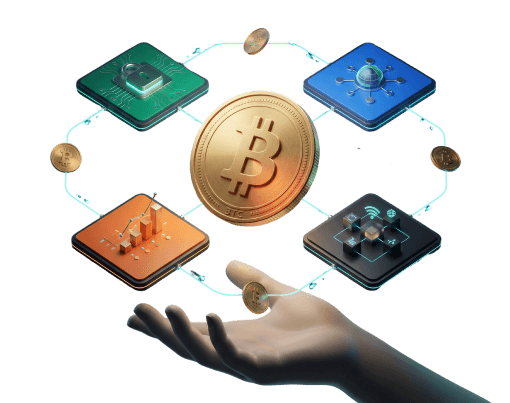
Introduktion: Mere end blot et tal
Bitcoin-handel er i sin kerne et globalt marked, der opererer 24/7 med ét primært formål: prisdannelse. Det er den mekanisme, hvormed verden i fællesskab bestemmer værdien af en Bitcoin. Selvom mange forbinder det med hurtige handler og spekulation, er markedets funktion langt mere fundamental. Det er en konstant samtale mellem købere og sælgere, der skaber enighed om prisen fra det ene øjeblik til det næste. Denne artikel vil afdække, hvordan dette marked fungerer, hvilke faktorer der påvirker prisen på BTC, og hvorfor det er relevant at forstå dynamikken. Formålet er udelukkende at informere om markedets mekanik, ikke at give råd om handel.

Prismotoren: Hvordan børser fastsætter Bitcoins værdi
En kryptobørs fungerer som en digital markedsplads, der forbinder folk, som vil købe Bitcoin, med dem, som vil sælge. Kernen i denne markedsplads er en ordrebog. Her registreres alle købsordrer (bud) og salgsordrer (udbud). En købers højeste bud kaldes 'bid price', mens en sælgers laveste pris kaldes 'ask price'. Når et bud matcher et udbud, udføres en handel, og prisen på denne seneste handel bliver den nye 'market price'. Det er vigtigt at forstå, at der ikke findes én officiel Bitcoin-pris. Prisen er et globalt gennemsnit, der dannes på tværs af hundredvis af børser, som alle bidrager til den samlede prisdannelse.
Prisdannelse (price discovery) er den proces, hvorved markedet bestemmer prisen på et aktiv gennem interaktioner mellem købere og sælgere. Det er ikke en enkelt beslutning, men en vedvarende mekanisme drevet af udbud og efterspørgsel.
Markedets livsblod: Den kritiske rolle for volumen og likviditet
To afgørende begreber for at forstå et markeds sundhed er handelsvolumen og likviditet. Handelsvolumen er den samlede mængde Bitcoin, der er blevet handlet inden for en bestemt periode, f.eks. 24 timer. Et højt volumen signalerer stor interesse og aktivitet. Markedslikviditet beskriver, hvor nemt det er at købe eller sælge et aktiv hurtigt uden at påvirke prisen markant. De to er tæt forbundne: et højt handelsvolumen fører typisk til høj likviditet. Indikatorer for likviditet inkluderer et snævert 'bid-ask spread' (lille forskel mellem købs- og salgspris) og minimal 'slippage' (når en handel udføres til en anden pris end forventet).
Viser den samlede værdi af handler inden for en tidsramme.
Beskriver, hvor let et aktiv kan købes eller sælges til en stabil pris.
Forskellen mellem højeste købspris og laveste salgspris.
De usynlige kræfter: Nøglefaktorer, der påvirker Bitcoins pris
Bitcoins pris bestemmes ikke i et vakuum. Den påvirkes af en række komplekse faktorer, der konstant er i spil. Forståelsen af disse kræfter er central for at forstå markedets bevægelser. Nogle af de mest betydningsfulde faktorer er fundamentale økonomiske principper, globale begivenheder og den kollektive psykologi hos markedsdeltagerne. Disse elementer kan virke uafhængigt eller forstærke hinanden og skabe de prisudsving, som kryptovalutamarkedet er kendt for.
Udbud og efterspørgsel
Kernen i Bitcoins værdi. Udbuddet er begrænset til 21 millioner mønter og reduceres periodisk via 'halveringscyklus'. Efterspørgslen drives af adoption, investorinteresse og anvendelse.
Makroøkonomiske indikatorer
Inflation, renteniveauer og generel økonomisk usikkerhed kan få investorer til at søge mod aktiver som Bitcoin. Globale økonomiske trends har en direkte indvirkning på interessen for digitale valutaer.
Regulering og nyheder
Myndigheders udmeldinger skaber 'regulatorisk usikkerhed'. Godkendelse af investeringsprodukter kan øge prisen, mens forbud kan føre til fald. Markedsstemningen er meget følsom over for nyheder.
Aflæsning af markedets puls: En oversigt over data og trends
Markedsdeltagere bruger en række data til at forsøge at forstå markedets opførsel. Kursgrafer visualiserer historiske data og viser, hvordan prisen på BTC har udviklet sig over tid. Ved at analysere disse data leder man efter mønstre og markedstrends. Dette felt kaldes teknisk analyse, som er studiet af prisbevægelser og handelsvolumen for at forudsige fremtidig adfærd. En anden type data er on-chain data, som involverer analyse af transaktioner direkte på Bitcoin-blockchainen. Denne information kan give indsigt i netværkets sundhed og investorernes adfærd. Det er dog vigtigt at huske, at analyse af data ikke er en garanti for fremtidige resultater.
Historiske data kan afsløre mønstre, men de kan ikke forudsige fremtiden. Markedet er i sidste ende drevet af menneskelig adfærd, som er notorisk uforudsigelig.
Bitcoins dobbelte natur: Spekulativt aktiv vs. digitalt guld
Der er to dominerende fortællinger, der driver aktiviteten på Bitcoin-markedet. Den ene ser Bitcoin som et spekulativt aktiv, hvor deltagere forsøger at profitere på de hurtige prisudsving. Den anden opfatter Bitcoin som et værdilager eller 'digitalt guld' – et aktiv man holder på lang sigt som en sikring mod inflation og økonomisk usikkerhed, ligesom fysisk guld. Begge disse motivationer eksisterer side om side og bidrager til markedets dynamik. Den første skaber likviditet og prisudsving, mens den anden skaber en langsigtet efterspørgsel. Samtidig undersøges Bitcoins rolle som et byttemiddel, hvilket også kan påvirke dens opfattede værdi.
| Fortælling | Primær motivation | Tidshorisont |
| Spekulativt aktiv | Profit fra prisudsving | Kort til mellemlang |
| Værdilager (Digitalt Guld) | Kapitalbevarelse og sikring | Lang |
| Byttemiddel | Transaktioner og betalinger | Daglig brug |
At navigere i stormen: Forståelse af markedets risici
Det er afgørende at forstå, at Bitcoin-markedet indebærer betydelige risici. Den mest fremtrædende er markedsvolatilitet – prisen kan svinge dramatisk op og ned på meget kort tid. Denne uforudsigelighed er drevet af alt fra nyheder til pludselige ændringer i markedsstemningen. En anden risiko er relateret til sikkerheden for digitale aktiver. Beskyttelse af private nøgler er essentielt, og når man bruger en børs, er der en modpartsrisiko, da man stoler på, at børsens sikkerhed er i orden. Man skal være opmærksom på de psykologiske pres, som volatiliteten kan skabe, og altid huske på, at historisk afkast aldrig er en garanti for fremtidige resultater.
- Høj likviditet og hurtige handler
- Brugervenlige platforme
- Adgang til avancerede værktøjer
- Modpartsrisiko (børsens konkurs)
- Hacking- og sikkerhedsrisici
- Du kontrollerer ikke dine private nøgler
Ofte stillede spørgsmål
-
Hvordan bestemmes den officielle pris på Bitcoin?
Der findes ingen enkelt 'officiel' pris for Bitcoin. Prisen, du ser, er resultatet af en proces kaldet prisdannelse, som sker kontinuerligt på hundredvis af kryptobørser verden over. Hver børs har sin egen ordrebog med købere og sælgere, og prisen afspejler den seneste handel, der er udført på den platform. Store dataleverandører samler priser fra flere børser for at give en gennemsnits- eller indekspris. -
Hvad betyder 'handelsvolumen' på Bitcoin-markedet?
Handelsvolumen refererer til den samlede mængde Bitcoin, der er blevet købt og solgt på en børs eller på tværs af hele markedet over en bestemt periode, såsom 24 timer. Høj handelsvolumen indikerer generelt stærk interesse og høj likviditet, hvilket betyder, at det er lettere at købe eller sælge Bitcoin uden at påvirke prisen markant. -
Hvad er den største enkeltstående risiko ved Bitcoin-handel?
Selvom der er flere risici, herunder sikkerhed og regulering, er den mest fremtrædende prisvolatilitet. Værdien af Bitcoin kan opleve hurtige og betydelige udsving på meget kort tid, drevet af markedsstemning, nyheder og makroøkonomiske faktorer. Denne volatilitet betyder, at der er en betydelig risiko for økonomisk tab, og kapital er ikke garanteret. -
Er Bitcoin-handel det samme som at investere i Bitcoin?
Begreberne bruges ofte i flæng, men de kan beskrive forskellige tilgange. Handel indebærer typisk en kortsigtet strategi med fokus på at drage fordel af prisudsving. Investering, ofte kaldet 'HODLing' i krypto-verdenen, refererer normalt til en langsigtet strategi med at købe og holde aktivet i troen på, at dets værdi vil vokse over tid, og behandle det som et værdilager. -
Påvirker statslig regulering Bitcoins pris?
Ja, markant. Nyheder om regeringers handlinger kan være en stor drivkraft for markedsstemning og pris. Meddelelser om støttende regulering eller godkendelse af investeringsprodukter kan øge priserne, mens nyheder om forbud, stramninger eller restriktive politikker kan forårsage skarpe fald. Denne 'regulatoriske usikkerhed' er en nøglefaktor, som markedsdeltagere holder øje med.
Krypto-guider
Begynder-frendly
Forståelse af de finansielle markeder og handelens mekanismer En analytisk gennemgang af hvordan markedsdeltagere interagerer med forskellige aktiver og handelsplatforme.
 Farouk Ahmed
|
Farouk Ahmed
|
Mekanikken bag Intraday Trading Forstå platformene, markedsdynamikkerne og systemerne bag moderne dagshandel.
 Alexey Morozov
|
Alexey Morozov
|
Strukturering af markedsaktiviteter gennem en virksomhed Forstå de tekniske og organisatoriske aspekter ved at overføre kapitalforvaltning til et formelt selskab.
 Oliver Grant
|
Oliver Grant
|

Vores hjemmeside bruger cookies. Vores cookiepolitik