


Convert
Indonesian Rupiah (IDR) to USDT (OMNI) Instantly


Purchase USDT (OMNI) with Indonesian Rupiah (IDR) easily at Switchere and benefit from fast, secure transactions.
About
USDT (OMNI)
Tether (USDT) issued on the Omni Layer represents a foundational milestone in the evolution of digital assets, operating as the first widely adopted fiat-collateralized stablecoin. Built directly on top of the Bitcoin blockchain, USDT (OMNI) aims to bridge the gap between traditional fiat currencies and the decentralized network by offering a digital token pegged 1:1 to the US dollar. This specific iteration leverages the Omni protocol, a software layer functioning as a decentralized platform for creating and trading custom digital assets utilizing the underlying security of the Bitcoin mainnet.
Technically, the Omni Layer utilizes a mechanism akin to colored coins, embedding metadata into standard Bitcoin transactions via the OP_RETURN function. This allows the digital ledger to track and verify tethered assets without requiring a separate blockchain. By inheriting Bitcoin's robust Proof-of-Work consensus mechanism and cryptographic security, USDT (OMNI) ensures unparalleled immutability for value transfers. The native utility of this stablecoin lies in providing traders and investors a reliable haven against inherent crypto volatility, serving as a highly liquid medium of exchange.
While newer iterations on EVM-compatible networks offer faster smart contract execution, USDT (OMNI) remains a historically significant legacy protocol. It pioneered the concept of a transparent USD reserve backing a tokenized asset, laying essential groundwork for modern DeFi applications and the broader Web3 infrastructure.

How to Buy USDT (OMNI)
 Step-by-step guidance
 Easy credit card payments
 Streamlined purchase process
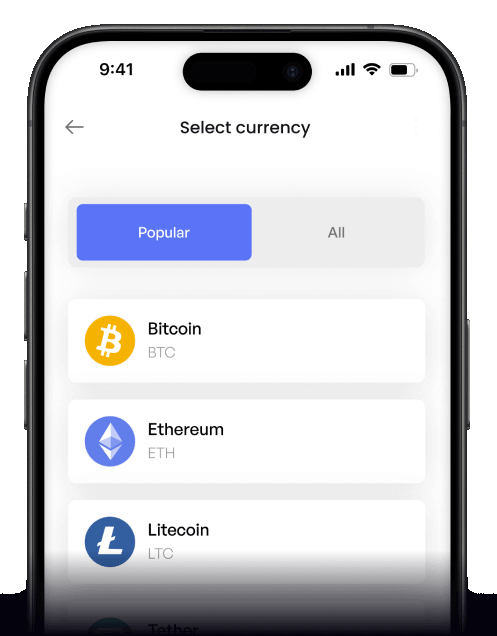
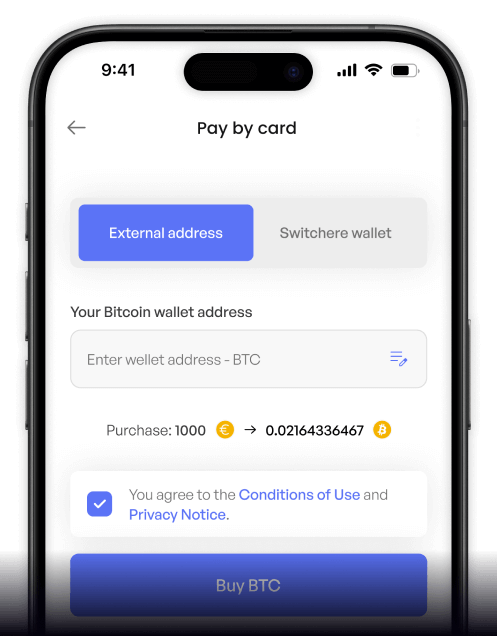
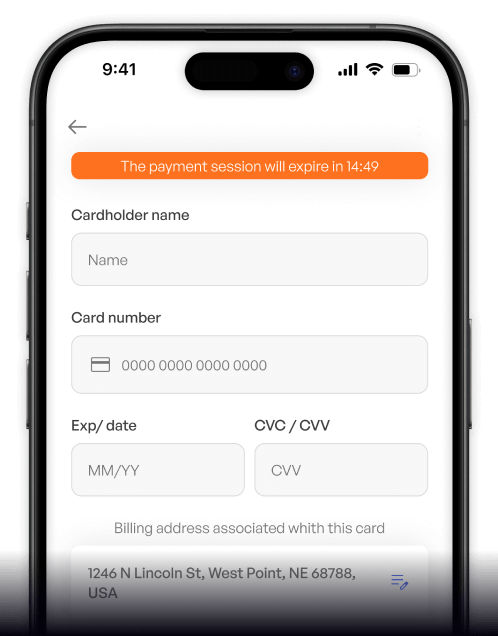
 Web
Web
Popular Coins for Indonesian Rupiah (IDR)




Other Coins for Indonesian Rupiah (IDR)





Frequently asked questions
-
What is the IDR to USDT (OMNI) trading pair and how does the Omni Layer work?
The IDR/USDT (OMNI) pair represents the exchange rate between the Indonesian Rupiah (IDR) and Tether (USDT) issued on the Omni Layer protocol. Unlike modern ERC-20 or TRC-20 tokens, USDT OMNI is built on top of the Bitcoin blockchain using a colored coins concept. When you buy this digital asset using IDR through a fiat gateway, the transaction is settled on the Bitcoin network, offering high security but generally slower confirmation times compared to newer smart contract platforms. -
What are the most common payment methods to purchase USDT OMNI with Indonesian Rupiah (IDR)?
To execute an IDR to USDT fiat on-ramp transaction, users typically utilize BAPPEBTI-regulated cryptocurrency exchanges in Indonesia. Common payment methods include local bank transfers, Virtual Account (VA) deposits, and popular e-wallets like OVO or GoPay. It is crucial to complete mandatory KYC/AML compliance checks before initiating a fiat deposit to purchase cryptocurrency tokens on these platforms. -
Are there significant differences in transaction fees when trading USDT on the Omni protocol versus other networks?
Yes, trading and transferring USDT OMNI involves distinct fee structures. Because the Omni Layer operates directly on the Bitcoin blockchain, transferring USDT OMNI requires paying BTC transaction fees (miner fees). These fees are typically higher and fluctuate based on Bitcoin network congestion, unlike the cheaper gas fees found on Layer-2 solutions or alternative networks like Tron (TRC-20). Always check the order book and withdrawal fees on your chosen cryptocurrency exchange. -
How should I securely store my USDT (OMNI) tokens after purchasing them with IDR?
After completing your digital asset purchase, transferring your tokens to a secure digital wallet is highly recommended. To store USDT OMNI, you must use an Omni-compatible wallet or a hardware wallet that explicitly supports the Omni protocol. Do not send USDT OMNI to standard Ethereum or Tron addresses, as this will result in a permanent loss of funds due to the underlying UTXO model differences and network incompatibility. -
Why might a trader choose USDT OMNI over other versions of Tether in the Indonesian crypto market?
While its trading volume has decreased in favor of faster networks, some users prefer USDT OMNI for its reliance on the robust security and immutability of the Bitcoin blockchain. Institutional traders or those handling large fiat-to-crypto conversions via IDR might prioritize this legacy layer for secure trading and long-term digital asset storage, accepting the trade-off of slower block confirmation times inherent to Proof-of-Work (PoW) consensus.

Buy on the go
Anywhere. Anytime.
Buy crypto with your credit card from anywhere. Live rates, transparent fees, and 3D Secure on every order - the full Switchere card-buy experience in your pocket.



Scan to download the app iOS and Android

