


Le Wash Trading en Crypto : Démasquer les Faux Volumes et la Tromperie du Marché
Un guide essentiel pour comprendre les mécanismes, les motivations et les conséquences du wash trading sur les marchés des cryptomonnaies et des NFT.
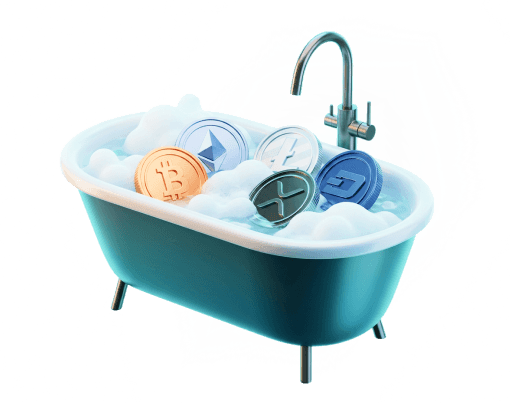
Comment Fonctionne le Wash Trading en Crypto
Le wash trading est une forme de manipulation de marché où un acteur achète et vend simultanément le même actif financier pour créer une activité artificielle et trompeuse. Dans le contexte des cryptomonnaies, ce processus est amplifié par la technologie. Un individu ou une entité utilise plusieurs portefeuilles, souvent appelés des adresses de contrôle (controller addresses), pour échanger des actifs avec lui-même. Cette pratique est courante sur les plateformes d'échange décentralisées (DEXs) comme Uniswap, où les smart contracts exécutent les transactions sans intermédiaire. Des robots de trading automatisés (automated trading bots) sont programmés pour effectuer des milliers de ces transactions à grande vitesse, générant d'énormes volumes de transactions (transaction volumes) en apparence légitimes. La nature pseudo-anonyme (pseudo-anonymous nature) des blockchains facilite cette activité, car il est difficile de prouver que les portefeuilles appartiennent à la même entité sans une analyse approfondie. Même si des frais de transaction (gas fees) sont encourus, les bénéfices potentiels de la manipulation l'emportent souvent sur les coûts.
Le wash trading consiste à créer une fausse impression d'activité de marché en achetant et vendant un actif pour son propre compte. L'objectif n'est pas de réaliser un profit direct sur la transaction, mais de manipuler la perception du marché concernant le volume et la demande de cet actif.
Cette activité ne se limite pas aux cryptomonnaies fongibles ; les marchés des NFT (NFT markets) sont également très vulnérables. Un acteur peut vendre un NFT d'un portefeuille à un autre à un prix de plus en plus élevé pour faire croire que la collection prend de la valeur, trompant ainsi de véritables acheteurs. La transparence de la blockchain, paradoxalement, peut être exploitée pour afficher ces transactions falsifiées comme preuve d'une demande croissante. En fin de compte, le but est de tromper les autres participants du marché sur la véritable propriété effective (beneficial ownership) et la liquidité d'un actif.
Achetez des crypto-monnaies rapidement, facilement et en toute sécurité avec Switchere !

Scannez pour télécharger l'application
Les Motivations Derrière le Wash Trading
Les raisons qui poussent les acteurs à s'engager dans le wash trading sont variées, mais elles tournent presque toujours autour du gain financier par la tromperie. La motivation principale est de gonfler artificiellement le volume des échanges (artificially inflating trading volume). Un volume élevé est souvent perçu comme un signe de forte demande et de liquidité, ce qui attire les investisseurs et les traders authentiques. Pour les nouveaux projets de cryptomonnaies ou de NFT, un volume élevé est une condition essentielle pour obtenir une cotation sur les plateformes de premier plan (listing on prominent platforms), qui utilisent souvent le volume comme un critère de sélection. Une fois listé, l'actif gagne en légitimité et en visibilité, ce qui peut faire grimper son prix. Une autre motivation courante est la manipulation directe des prix du marché (manipulating market prices). En créant une fausse activité, les manipulateurs peuvent attirer l'attention sur un actif, faire monter son prix, puis vendre leurs propres parts au plus haut, une tactique classique des schémas de pump-and-dump.
Augmenter artificiellement les chiffres pour attirer les investisseurs et les plateformes.
Créer une demande illusoire pour influencer le prix et réaliser des profits.
Gagner des concours de trading et des récompenses basées sur le volume.
Dans le monde des NFT, la spéculation sur les prix des NFT (NFT price inflation) est un moteur majeur. Les traders peuvent faire monter le prix plancher d'une collection en s'auto-échangeant des actifs. De plus, certaines plateformes d'échange, en particulier les plateformes non réglementées (unregulated exchanges), organisent des compétitions de trading offrant des récompenses aux utilisateurs ayant les plus gros volumes. Le wash trading devient alors une stratégie simple pour grimper dans le classement des récompenses d'échange (exchange rewards rankings). Parfois, les plateformes elles-mêmes peuvent être complices, utilisant des algorithmes de trading automatisés (automated trading algorithms) pour générer des frais de commission (commission fees generation) et simuler une activité qui n'existe pas, trompant ainsi leurs propres utilisateurs.
Le Lien avec le Blanchiment d'Argent et la Manipulation de Marché
Le wash trading est intrinsèquement une forme de manipulation de marché (market manipulation). Son but est de créer une fausse impression d'activité de marché (false impression of market activity), trompant les investisseurs sur la liquidité réelle et l'intérêt pour un actif. Cette activité artificielle peut gonfler artificiellement les prix (artificially inflate prices), incitant des acheteurs peu méfiants à investir sur la base de données trompeuses. Au-delà de la manipulation des prix, le wash trading sert d'outil efficace pour le blanchiment d'argent (money laundering). En générant un grand nombre de transactions d'apparence légitime, les criminels peuvent dissimuler le mouvement et l'origine des actifs (disguise the asset’s movement and origin). Les fonds illicites sont mélangés à un volume élevé de transactions, ce qui rend extrêmement difficile pour les autorités de retracer leur parcours. Cette méthode permet de masquer la véritable nature des transferts de fonds (obscure the true nature of fund transfers) et de donner une apparence de légitimité à de l'argent sale.
En créant un bruit de fond transactionnel, le wash trading permet de noyer les transferts illicites dans un océan d'activité en apparence normale, compliquant le travail des analystes et des régulateurs.
Des agences gouvernementales comme l'Internal Revenue Service (IRS) aux États-Unis sont de plus en plus conscientes de ces stratagèmes. Elles considèrent ces transactions non seulement comme une manipulation de marché, mais aussi comme un moyen potentiel d'évasion fiscale et de financement d'activités illégales. La création d'une activité de marché artificielle (artificial market activity) compromet l'intégrité de l'écosystème financier. Une réglementation et une surveillance (regulation and oversight) accrues sont mises en place pour contrer ces pratiques, car elles sapent la confiance des investisseurs et peuvent déstabiliser les marchés. Les schémas de pump-and-dump, souvent alimentés par le wash trading, illustrent parfaitement comment une fausse perception de la liquidité du marché (market liquidity) peut entraîner des pertes financières importantes pour les participants honnêtes.
Méthodes de Détection et d'Identification
La détection du wash trading dans l'écosystème crypto est un défi complexe mais réalisable grâce à des techniques d'analyse de données sophistiquées. La méthode la plus puissante est l'analyse sur chaîne (on-chain analysis), qui consiste à examiner directement les transactions enregistrées sur la blockchain. Les analystes utilisent des outils d'analyse de données (data analytics) pour passer au crible des millions de transactions et identifier des schémas suspects. L'analyse des données historiques (historical data analysis) permet de repérer des anomalies, comme des pics de volume soudains et inexplicables pour un actif autrement peu liquide. Des algorithmes de reconnaissance de formes (pattern recognition algorithms) sont essentiels pour automatiser ce processus. Ils sont entraînés à identifier des comportements caractéristiques du wash trading, tels que des transactions en boucle rapide entre un petit nombre de portefeuilles ou des échanges qui n'entraînent aucun changement significatif de prix. L'analyse de réseau (network analysis) est une autre technique clé. Elle permet de visualiser les liens entre différents portefeuilles. Si de nombreux portefeuilles apparemment distincts n'interagissent qu'entre eux ou sont financés par une seule et même source, il est très probable qu'ils soient contrôlés par la même entité.
Heuristiques de Détection du Wash Trading
Wash Trading Heuristic 1 : Identification de transactions en circuit fermé. C'est lorsque les fonds retournent à leur portefeuille d'origine après une série de transactions, indiquant une absence de véritable échange économique.
Wash Trading Heuristic 2 : Analyse de la fréquence et du timing. Des transactions exécutées en quelques secondes à des prix identiques ou quasi identiques sont un signal d'alarme majeur, souvent orchestré par des bots.
Les plateformes d'échange sérieuses investissent massivement dans la surveillance en temps réel et les alertes (real-time monitoring and alerts). Leurs systèmes de surveillance des transactions et de filtrage (transaction monitoring and screening) signalent automatiquement les activités suspectes. Ces mesures font partie de leurs processus de diligence raisonnable envers la clientèle (customer due diligence processes) et de leurs obligations réglementaires. Pour renforcer la prévention, elles mettent en œuvre des procédures de vérification d'identité et de connaissance du client (identity verification and crypto kyc) plus strictes, rendant plus difficile pour une seule personne de créer de multiples comptes anonymes. Des logiciels de diligence raisonnable améliorée (enhanced due diligence software) sont également utilisés pour évaluer le risque associé à des volumes de transactions élevés provenant de sources non vérifiées.
Considérations Légales et Réglementaires
Le statut juridique (legal status) du wash trading dans les cryptomonnaies est une zone grise en pleine évolution, mais le consensus réglementaire mondial est qu'il s'agit d'une pratique illégale. Dans les marchés financiers traditionnels, le wash trading est interdit depuis des décennies. Aux États-Unis, des lois comme le Securities Exchange Act (1934) et le Commodity Exchange Act (1936) l'interdisent explicitement en tant que forme de manipulation de marché (market manipulation). Ces lois sont appliquées par des agences comme la SEC (Securities and Exchange Commission) et la CFTC (Commodity Futures Trading Commission). Ces régulateurs financiers (financial regulators) considèrent de plus en plus les cryptomonnaies comme des titres ou des matières premières, ce qui place le wash trading crypto sous leur juridiction. Le défi majeur pour l'application de la loi reste la compétence (jurisdiction). La nature décentralisée et mondiale des cryptomonnaies complique la tâche des régulateurs nationaux pour poursuivre les mauvais acteurs qui opèrent depuis l'étranger. La collaboration internationale entre les organismes d'application de la loi (law enforcement) devient donc essentielle.
L'objectif principal de la réglementation n'est pas d'étouffer l'innovation, mais de garantir l'intégrité du marché (market integrity) et de protéger les investisseurs contre la fraude et la manipulation.
La surveillance réglementaire (regulatory oversight) s'intensifie. Les plateformes d'échange qui opèrent dans des juridictions réglementées sont tenues de mettre en place des programmes de conformité réglementaire (regulatory compliance) robustes pour détecter et prévenir activement la manipulation de marché. Le non-respect de ces obligations peut entraîner de lourdes amendes, la révocation de licences et même des poursuites pénales contre les dirigeants de l'entreprise. Les régulateurs cherchent à appliquer les mêmes normes d'équité et de transparence aux marchés crypto qu'aux marchés traditionnels, car ils reconnaissent que la confiance est la pierre angulaire de tout système financier sain et durable.
Stratégies de Prévention et d'Atténuation
Pour lutter contre le wash trading, les plateformes d'échange, les régulateurs et les fournisseurs de technologie déploient un arsenal de stratégies. Du côté des plateformes, l'une des mesures techniques les plus efficaces est la fonctionnalité de prévention de l'auto-négociation (Self-Trade Prevention Functionality - STPF). Ce mécanisme empêche un ordre d'un utilisateur d'être exécuté contre un autre ordre du même utilisateur, coupant court aux formes les plus simples de wash trading. De plus, les plateformes les plus réputées utilisent des systèmes de surveillance sophistiqués (sophisticated monitoring systems) et des technologies de surveillance (surveillance technologies) tierces pour analyser les schémas de trading en temps réel. Des outils de détection de la fraude et de lutte contre le blanchiment d'argent (anti-money laundering and fraud detection tools), comme ceux développés par des entreprises comme NICE Actimize, sont adaptés pour identifier les comportements de manipulation spécifiques aux marchés crypto. Ces systèmes peuvent signaler les pratiques abusives de marché (market abuse practices) et permettre une intervention rapide.
| Type de Prévention | Exemple de Mesure | Objectif Principal |
| Technique (Plateforme) | Fonctionnalité STPF | Empêcher les auto-transactions directes. |
| Surveillance (Plateforme) | Outils de monitoring en temps réel | Détecter les schémas de trading suspects. |
| Réglementaire (Gouvernement) | Exigences de reporting | Accroître la transparence du marché. |
| Application (Régulateur) | Actions coercitives (amendes) | Dissuader les mauvais acteurs. |
Les efforts réglementaires (regulatory efforts) jouent un rôle crucial. L'imposition d'exigences claires en matière de déclaration des transactions (trade reporting requirements) augmente la transparence et facilite la détection des anomalies par les régulateurs. Les actions coercitives (enforcement actions) menées par les autorités, telles que des amendes importantes contre les plateformes qui tolèrent la manipulation de marché et les abus (market manipulation and abuse), créent un puissant effet dissuasif. En outre, certains protocoles ou plateformes peuvent mettre en place des seuils de retrait de liquidité (liquidity removal threshold) pour éviter que des manipulateurs ne créent une fausse liquidité pour ensuite la retirer brusquement. L'ensemble de ces outils de surveillance (monitoring tools) et de ces mesures réglementaires contribue à assainir l'écosystème et à renforcer la confiance des investisseurs dans la pérennité des marchés d'actifs numériques.
Questions fréquemment posées
-
Le wash trading est-il illégal en crypto ?
Oui. Bien que la réglementation des cryptomonnaies soit encore en développement, le wash trading est considéré comme une forme de manipulation de marché, ce qui est illégal dans la plupart des juridictions, y compris aux États-Unis et en Europe. Les régulateurs financiers appliquent de plus en plus les lois existantes sur les valeurs mobilières et les matières premières aux actifs numériques. -
Comment le wash trading peut-il affecter les investisseurs ordinaires ?
Le wash trading trompe les investisseurs en créant une fausse perception de la demande et de la liquidité d'un actif. Cela peut les inciter à acheter un actif à un prix artificiellement gonflé. Lorsque les manipulateurs cessent leur activité et vendent leurs positions, le prix s'effondre souvent, entraînant des pertes importantes pour les investisseurs qui sont entrés sur la base de fausses informations. -
Toutes les plateformes d'échange de cryptomonnaies ont-elles du wash trading ?
Non, mais c'est un problème répandu, en particulier sur les plateformes non réglementées ou moins réputées qui peuvent manquer de systèmes de surveillance robustes ou même fermer les yeux sur cette pratique pour gonfler leurs propres volumes de transactions. Les grandes plateformes réglementées investissent massivement dans des technologies pour détecter et prévenir le wash trading afin de maintenir leur conformité et leur réputation. -
Quelle est la différence entre le wash trading et le market making ?
Le market making est une activité légitime où un trader fournit de la liquidité à un marché en plaçant simultanément des ordres d'achat et de vente, dans le but de profiter de l'écart (spread). Cela facilite les échanges pour les autres. Le wash trading, en revanche, est une activité trompeuse où une seule entité effectue des transactions avec elle-même pour créer un volume artificiel sans intention de fournir une véritable liquidité. -
Comment puis-je repérer une collection de NFT faisant l'objet de wash trading ?
Recherchez des signaux d'alarme sur les explorateurs de blockchain. Examinez l'historique des transactions d'un NFT. Si vous voyez le même article être vendu à plusieurs reprises entre un petit groupe de portefeuilles, souvent à des prix de plus en plus élevés et sur une courte période, il s'agit d'un signe potentiel de wash trading. Une activité de vente intense juste après la création de la collection, suivie d'un silence radio, peut également être suspecte.
Guides sur les crypto-monnaies
Débutant-frendly
Explorer la Mécanique du Trading Une analyse factuelle du fonctionnement des marchés financiers mondiaux.
 Farouk Ahmed
|
Farouk Ahmed
|
Mécanique du Trading Intraday : Analyse et Exécution Comprendre les rouages techniques de l'achat et de la vente d'actifs sur une même séance boursière.
 Alexey Morozov
|
Alexey Morozov
|
Passer au niveau professionnel : Day trading et EIN Comprendre les mécanismes de structuration d'une activité de trading en entité commerciale indépendante.
 Oliver Grant
|
Oliver Grant
|

Notre site web utilise des cookies. Notre politique en matière de cookies